
Blood test in Seoul, explained in English
Common blood panels for checkups, fatigue, travel and ongoing conditions, chosen for your situation rather than sold as a bundle.
3F, 162 Apgujeong-ro, Gangnam-gu
Apgujeong Station (Line 3), Exit 5 · 1 min walk
VEI Clinic in Apgujeong, Gangnam offers doctor-guided blood tests in Seoul for annual checkups and new symptoms. Dr. HyunSung Park, a board-certified internal medicine specialist, chooses panels such as CBC, liver and kidney function, lipids, HbA1c, thyroid, iron, B12 and vitamin D, then explains your results 1:1 in English.
What a blood test in Seoul at VEI Clinic covers
A blood test in Seoul at VEI Clinic starts with a short conversation, not a menu. Dr. HyunSung Park asks why you want testing, what symptoms you have, what medicines and supplements you take, and when you were last checked. He then orders the panels that actually answer your question.
For a routine checkup that usually means a handful of core tests. For a symptom such as tiredness, unexplained weight change or frequent infections, the panel is shaped around the likely causes. If your home doctor has given you a lab order, bring it and we will draw what is clinically appropriate and align units where we can. Before anything is drawn, you are told which tests are planned and what they will cost.
Because the doctor who orders the tests is the one who reads them, you are not left with a printout of numbers and no context.
Common panels and what they tell you
These are the blood tests we order most often. Not everyone needs all of them.
- CBC (complete blood count): anemia, infection signals and platelet levels.
- Liver and kidney function, electrolytes: how these organs are working and how well you are hydrated.
- Lipid panel: LDL, HDL and triglycerides for heart and stroke risk.
- Fasting glucose and HbA1c: screening for prediabetes and diabetes, or monitoring known diabetes.
- Thyroid (TSH, with free T4 if needed): a common, treatable cause of fatigue and weight change.
- Iron studies, ferritin, B12, folate and vitamin D: frequent contributors to low energy.
- CRP or ESR: general markers of inflammation.
- Infection and immunity screens: hepatitis A, B and C, HIV, syphilis, TB blood test (IGRA) and immunity titers such as measles, varicella and hepatitis B surface antibody.
- Case-by-case: hormones, autoimmune markers, celiac screen and allergy IgE.
Preparing for your blood draw
If your panel includes lipids or fasting glucose, we usually ask for an 8–12 hour fast with water only, so a morning appointment is easiest. Many other tests do not need fasting, and we will tell you in advance which applies to you.
Drink water as normal. Avoid heavy alcohol the night before. Keep taking prescribed medicines unless the doctor says otherwise. High-dose biotin, often found in hair and nail supplements, can distort some thyroid and hormone results, so mention it and we may ask you to pause it for a couple of days. Tell us if you are pregnant, menstruating, recently ill or recently vaccinated, because timing can change some results.
Who a checkup blood test suits, and when it is not the right step
Blood testing suits people due an annual check, expats who want a baseline in English, travelers needing titers or screening, and anyone with persistent but stable symptoms such as fatigue, hair thinning or weight change. It is also useful for monitoring known conditions like diabetes, high cholesterol or thyroid disease over time.
It is not a substitute for urgent care. A normal blood test also does not rule out every problem, and borderline results are common in healthy people. Ordering many extra tests without a clear reason raises the chance of a false alarm, which is why we prefer focused panels.
Red flags: go to an emergency room instead
Do not wait for an outpatient blood test if you have chest pain, severe shortness of breath, confusion, fainting, black or bloody stools, vomiting blood or sudden weakness, numbness or trouble speaking. Call 119 in Korea or go to the nearest emergency department.
Results and what happens next
Most routine results are ready in one to two business days, while specialty send-out tests take longer and we will give you a timeline. Dr. Park goes through your numbers 1:1 in English, explains which results are normal, which are borderline and which matter, and compares them with previous results if you bring them.
From there the plan might be reassurance, a lifestyle change, a recheck in a few months, treatment such as iron or vitamin D, an ultrasound, or referral to a hospital specialist. You leave with an English report and an itemized receipt you can use for insurance claims.
How it works
Message us on WhatsApp
Send your goals, symptoms and any lab order to +82-10-5700-7597 and we will tell you whether to fast.
Short consultation
Dr. Park reviews your history and medicines and selects the panels, with costs explained first.
Blood draw
A quick, gentle draw with single-use supplies; tell us if you tend to feel faint.
Results review
Results are explained 1:1 in English, with a written report and clear next steps.
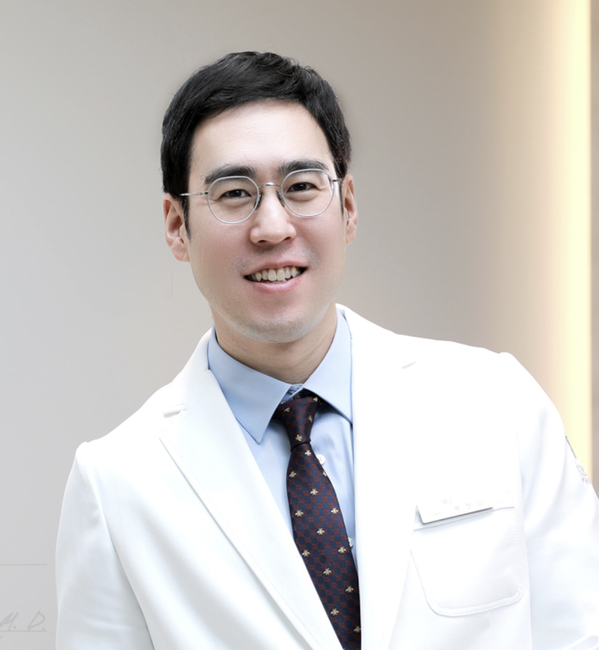
Dr. HyunSung Park
Medical Director · Internal Medicine Specialist · Consults in English & Korean
- Board-certified in internal medicine
- Gastroenterology subspecialist
- ECFMG certified (U.S.)
- Graduate, State University of New York
- Former Clinical Professor, Dongguk Univ. Ilsan Hospital
- Treating patients in Korea since 2010
Related care
Common questions
Do I need to fast before a blood test in Seoul?
Only for some tests. Lipids and fasting glucose usually need an 8–12 hour water-only fast, while thyroid, iron, B12 and many others do not. We confirm what applies to your panel when you book.
How quickly will I get my results?
Most routine panels are back within one to two business days. Specialty tests sent to an outside reference lab can take longer, and we will tell you the expected date before you test.
Can you run the tests my doctor at home ordered?
Often, yes. Bring the order or a photo of it. Dr. Park checks that each test is appropriate and available in Korea, and we align units and reference ranges where possible so your home doctor can compare.
Is a blood test enough for a full checkup?
Blood tests are one part of a checkup. Blood pressure, weight, a physical exam and sometimes urine tests or ultrasound add important information. If you want a broader review, ask about a physical or executive health check.
What if one of my results is slightly out of range?
Mildly abnormal results are common and often not meaningful on their own. Dr. Park looks at the full picture, including symptoms, medicines and trends, and may simply suggest a repeat test rather than further investigation.
I am nervous about needles. Can you help?
Yes. Let us know when you arrive. We can draw blood while you are lying back, use a numbing spray if you wish, and take things slowly. Pressing firmly on the site for a few minutes afterward reduces bruising.
This page is general information reviewed by a physician and is not a substitute for a personal consultation. Treatment suitability, benefits and risks differ for each person and are discussed with you before any care. In an emergency in Korea, call 119.
Questions about blood test seoul? Ask us.
Send a message and we'll reply on WhatsApp in English, usually the same day. WhatsApp: +82-10-5700-7597