
Fever doctor in Seoul: find the cause, not just the number
A fever is a sign, not a diagnosis. What matters is why your temperature is high, how unwell you are and whether anything needs urgent attention.
3F, 162 Apgujeong-ro, Gangnam-gu
Apgujeong Station (Line 3), Exit 5 · 1 min walk
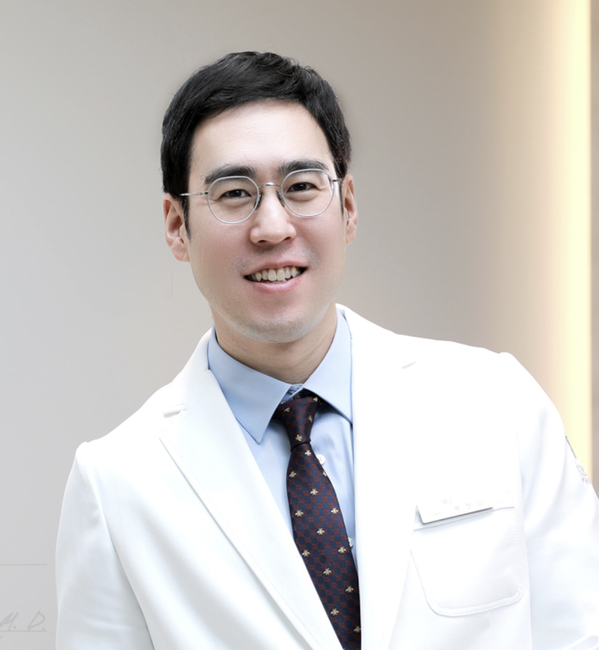
If you need a fever doctor in Seoul, VEI Clinic in Apgujeong, Gangnam offers same-day fever assessment in English with Dr. HyunSung Park, a board-certified internal medicine specialist. He looks for the cause, from flu and urinary infections to illness picked up while traveling, orders tests only where appropriate, and tells you clearly when hospital care is needed.
When to see a fever doctor in Seoul
A temperature of 38°C (100.4°F) or higher is generally considered a fever. In adults, most fevers are caused by short-lived viral infections and settle within two or three days with rest and fluids. A fever is actually part of the body's defense, so the goal is not always to bring the number down, but to understand what is driving it.
It is a good idea to see a fever doctor if your fever lasts more than three days, keeps returning, reaches 39.5°C (103°F) or higher, or comes with symptoms such as pain when passing urine, a cough with breathlessness, a new rash or severe sore throat. You should also be seen promptly if you have recently traveled abroad, are pregnant, are over 65, or have a long-term condition or weakened immune system.
At VEI Clinic, Dr. HyunSung Park, a board-certified internal medicine specialist, assesses adults with fever one-to-one in English, the same day where possible.
Common causes we look for
The history usually tells us more than the thermometer does. Dr. Park asks when the fever started, how high it has been, what other symptoms you have, what medicines you have taken and where you have been in the past few weeks.
- Respiratory infections: flu, COVID-19, sore throat, sinusitis and chest infections
- Urinary tract and kidney infections, which may cause back or side pain with fever
- Stomach and gut infections, including food poisoning
- Skin infections, such as a red, hot and spreading area around a wound
- Fevers after travel, where infections such as malaria or dengue need to be considered
- Less common causes, including medicine reactions and inflammatory conditions
What happens at your fever visit
After the history, the doctor examines you from head to toe, focusing on your throat, ears, chest, abdomen, skin and hydration. Based on what he finds, he may suggest a blood test, a urine test or rapid testing where appropriate. Tests are chosen because they will change what we do, and you are told the cost before anything is done.
Treatment depends on the cause. Viral illnesses usually need rest, fluids and fever relief. Bacterial infections such as a urinary tract infection may need antibiotics, while flu caught early may be treated with an antiviral. If imaging or further investigation is needed, or if your illness is more serious than a clinic can safely manage, we can refer you to a hospital with an English summary.
For travel-related fevers, especially after visiting areas where malaria is present, prompt testing matters. If specialized tests are needed that we do not perform, we will direct you to a hospital the same day.
Red flags: when to call 119 instead
Some fevers need emergency care rather than a clinic appointment. Call 119 or go straight to a hospital emergency room if you have fever with any of the following:
- Severe headache with a stiff neck, sensitivity to light, or confusion
- A rash that does not fade when pressed with a glass, or unexplained bruising
- Difficulty breathing, chest pain or bluish lips
- Seizures, fainting or extreme drowsiness
- Persistent vomiting, inability to keep fluids down, or very little urine
- Fever during pregnancy with pain or bleeding, or fever with a weakened immune system such as during chemotherapy
- High fever with chills within weeks of returning from a malaria area
Looking after a fever at home
For most uncomplicated fevers, drink plenty of fluids, rest and wear light clothing. Acetaminophen or ibuprofen can ease aches and discomfort when used as directed on the label. Avoid taking two products that contain the same medicine, which is easy to do with combination cold remedies, and ask the doctor if you have kidney, liver or stomach problems, or take blood thinners.
Keep a simple record of your temperature, symptoms and fluid intake and bring it to your visit. If you are infectious, stay home and avoid close contact with others until the fever has gone.
Fever assessment is medical care and is usually covered by Korea's National Health Insurance for enrolled patients. Visitors pay directly and receive an itemized English receipt and medical note for insurance.
How it works
Message or walk in
WhatsApp +82-10-5700-7597 with your temperature, symptoms and any recent travel, or walk in.
History and exam
Dr. Park reviews the timeline and examines you to find the likely source.
Targeted tests
Blood, urine or rapid tests where appropriate, with costs explained first.
Treatment and safety plan
A clear plan in English, warning signs to watch for, and referral if needed.
Dr. HyunSung Park
Medical Director · Internal Medicine Specialist · Consults in English & Korean
- Board-certified in internal medicine
- Gastroenterology subspecialist
- ECFMG certified (U.S.)
- Graduate, State University of New York
- Former Clinical Professor, Dongguk Univ. Ilsan Hospital
- Treating patients in Korea since 2010
Related care
Common questions
Where can I see a fever doctor in Seoul who speaks English?
VEI Clinic in Apgujeong, Gangnam assesses adults with fever the same day where possible, with Dr. HyunSung Park consulting in English. Walk in or message us on WhatsApp to check the wait.
What temperature counts as a fever?
For adults, 38°C (100.4°F) or above is generally considered a fever. How you feel and what other symptoms you have matter as much as the exact number.
How long should a fever last before I see a doctor?
See a doctor if a fever lasts more than three days, keeps coming back, goes above 39.5°C, or comes with worrying symptoms. Come sooner if you are pregnant, older, have a chronic condition or have just traveled.
I have a fever after a trip to Southeast Asia. What should I do?
Get checked promptly and tell the doctor exactly where and when you traveled. Some travel infections, such as malaria, need urgent testing, and we will refer you to a hospital the same day if that is needed.
Will I need antibiotics?
Only if a bacterial infection is likely. Most fevers in adults are viral, and antibiotics do not help these and can cause side effects.
Can I take ibuprofen and acetaminophen together?
Some adults alternate them, but it is easy to take too much, especially with combination cold medicines. Ask the doctor or pharmacist for a safe plan based on your health and other medicines.
This page is general information reviewed by a physician and is not a substitute for a personal consultation. Treatment suitability, benefits and risks differ for each person and are discussed with you before any care. In an emergency in Korea, call 119.
Questions about fever doctor seoul? Ask us.
Send a message and we'll reply on WhatsApp in English, usually the same day. WhatsApp: +82-10-5700-7597