
Longevity medicine in Seoul, grounded in evidence
An overview of how we approach healthy aging: what we measure, what we change, how we follow up, and what we deliberately leave out.
3F, 162 Apgujeong-ro, Gangnam-gu
Apgujeong Station (Line 3), Exit 5 · 1 min walk
Longevity medicine in Seoul at VEI Clinic in Apgujeong, Gangnam means lowering your risk of the diseases that shorten healthy life, mainly heart disease, diabetes and some cancers, and tracking progress with clear measurements. Dr. HyunSung Park, a board-certified internal medicine specialist, combines targeted testing, lifestyle planning and proven medicines when appropriate, without unproven anti-aging shortcuts.
What longevity medicine in Seoul means at VEI Clinic
Longevity medicine is a popular phrase, and it is used to sell everything from supplements to IV drips. At VEI Clinic we use it narrowly. The goal is healthspan: staying physically and mentally capable for as long as possible by reducing the risk of heart attack, stroke, type 2 diabetes, fatty liver disease, frailty and cancers that can be found early.
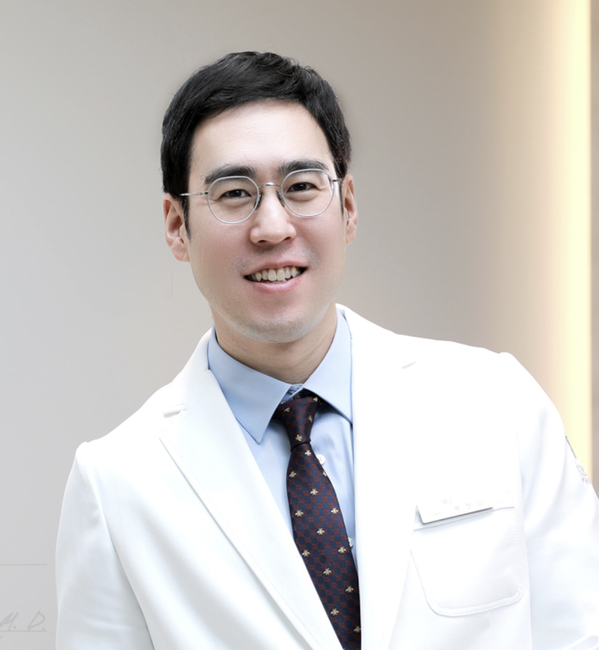
Dr. HyunSung Park, a U.S.-educated internal medicine specialist and member of the Korean Institute of Functional Medicine, leads every program personally. Care is individualized, delivered one-to-one in English, and built on the same evidence that guides good internal medicine, applied earlier and followed up more closely.
The six pillars we work on
Each pillar is assessed at the start and given one or two concrete targets, so you always know what to focus on next.
- Sleep: quality, timing and daytime alertness, including screening for sleep apnea risk
- Nutrition: an eating pattern you can actually sustain, with protein and fiber targets
- Activity and fitness: strength training, aerobic fitness and daily movement
- Metabolic and cardiovascular risk: blood pressure, lipids including ApoB, blood sugar and weight
- Mental health and stress: brief practical tools, with referral when more support is needed
- Prevention: cancer screening timelines and vaccines by age and risk
How a longevity program is built
Programs start with a risk and baseline assessment: medical and family history, medicines and supplements, body composition, vital signs including standing blood pressure, waist-to-height ratio, and your screening and vaccine status. Targeted lab tests follow, such as blood count, liver and kidney function, fasting lipids, HbA1c, fasting glucose and insulin, thyroid tests, iron studies, vitamin D and B12, with ApoB, Lp(a) and hs-CRP when indicated. A liver ultrasound may be added if metabolic risk is high.
You then receive a written action plan covering nutrition, training, sleep and stress, and a frank discussion of medicines. Where the benefit outweighs the risk, that can include statins for high ApoB or cardiovascular risk, blood pressure medicines, or diabetes and weight medicines such as metformin or a GLP-1 drug. Supplements are used only where evidence supports them and doses are safe.
Progress is tracked with a simple set of numbers: weight trend, waist-to-height ratio, home blood pressure log, average daily steps and weekly exercise minutes, alongside repeat labs about 8 to 12 weeks after any change. If something is not moving, the plan is adjusted together rather than simply adding more tests or products.
- Longevity Starter Check: focused history and exam, core labs, a risk map and a 90-day plan
- Metabolic Reset (90 days): diet and activity coaching, blood pressure and glucose targets, and a lab recheck
- 6-Month Healthspan Plan: quarterly labs, fitness targets and medicine adjustments where needed
Who it suits and who it does not
Longevity care suits busy adults who want structured prevention, people with a family history of heart disease, diabetes or early cancer, and anyone who wants measurable progress in blood pressure, waist, lipids and fitness. If you only want a one-time snapshot, a longevity checkup or biological age test is a simpler place to start.
It is not a fit if you are looking for a single treatment that reverses aging, or if you have active symptoms that need diagnosis first. Hospital tests such as CT, endoscopy and mammography are not done at our clinic; we refer you to a hospital when they are due.
What we do not do, and when to seek urgent care
We do not promise to extend lifespan, and we do not sell anti-aging IV drips. IV hydration or nutrients are used only when medically appropriate and are not a longevity shortcut. Off-label or compounded hormones and unproven anti-aging drugs are not routine and are considered only with a clear indication and monitoring.
Longevity care is not emergency care. Chest pain, stroke signs, severe shortness of breath, fainting, or black or bloody stool need the emergency room now: call 119 in Korea.
How it works
Baseline consult
A focused conversation about your history, goals and family risk, with an exam and initial test orders.
Same-day labs
Blood is drawn at the clinic, with any ultrasound or hospital referrals arranged as needed.
Results visit
Dr. Park walks you through a written plan with priorities and timelines.
Follow-ups
A short check-in at 4 to 6 weeks and a full review with rechecks at 8 to 12 weeks.
Dr. HyunSung Park
Medical Director · Internal Medicine Specialist · Consults in English & Korean
- Board-certified in internal medicine
- Gastroenterology subspecialist
- ECFMG certified (U.S.)
- Graduate, State University of New York
- Former Clinical Professor, Dongguk Univ. Ilsan Hospital
- Treating patients in Korea since 2010
Related care
Common questions
What is longevity medicine in Seoul, and is it evidence-based?
At VEI Clinic it is preventive internal medicine aimed at healthspan: reducing the risk of heart disease, diabetes, frailty and other chronic illness, and tracking it with real measurements. Every test and treatment we use has mainstream evidence behind it.
Do you prescribe longevity drugs?
We prescribe medicines with proven benefit when the benefit outweighs the risk, such as statins for high ApoB or cardiovascular risk. We do not prescribe unproven anti-aging drugs without a clear medical reason.
How soon will I see results?
Blood pressure, lipids and blood sugar often shift within 8 to 12 weeks of consistent change. Strength, fitness and body composition improve over months, so we track steady progress rather than quick fixes.
Which fitness goals matter most for healthy aging?
For most people, a combination of progressive strength training, steady aerobic exercise and some harder intervals improves the markers linked to healthy aging. Dr. Park tailors the targets to your current level and any medical limits.
Do you offer anti-aging IV drips?
No, not as a longevity treatment. IV hydration or specific nutrients may be used when medically appropriate, but the core of longevity care is lifestyle and risk-factor control.
How do I prepare for the first visit?
Bring a list of your medicines and supplements with exact doses, any previous labs or imaging, your vaccine record, and blood pressure or fitness tracker summaries if you have them. Fast 8 to 12 hours if lipid and glucose tests are planned; water is fine.
This page is general information reviewed by a physician and is not a substitute for a personal consultation. Treatment suitability, benefits and risks differ for each person and are discussed with you before any care. In an emergency in Korea, call 119.
Questions about longevity medicine seoul? Ask us.
Send a message and we'll reply on WhatsApp in English, usually the same day. WhatsApp: +82-10-5700-7597