
Lab test in Seoul: how it works at VEI Clinic
What happens to your sample, how long it takes, and how to get English results to your doctor at home.
3F, 162 Apgujeong-ro, Gangnam-gu
Apgujeong Station (Line 3), Exit 5 · 1 min walk
A lab test in Seoul at VEI Clinic in Apgujeong, Gangnam begins with a doctor's review, then we collect blood, urine, stool or swab samples on site or with a take-home kit. Most routine results return within one to two business days, and Dr. HyunSung Park explains them 1:1 in English with a report you can share abroad.
How a lab test in Seoul works at our clinic
Every lab test in Seoul at VEI Clinic follows the same path. First, Dr. HyunSung Park, a board-certified internal medicine specialist, reviews your symptoms or the reason for testing and decides which samples and tests are needed. Second, we collect the sample in a private room or give you a kit with English instructions. Third, the sample is processed, either by a rapid test in the clinic or by a certified reference laboratory. Finally, the doctor reads the result in the context of your history and goes through it with you.
This matters because a lab number on its own can mislead. A result that is slightly outside the reference range may be normal for you, and a normal result does not always close the question. Having the ordering doctor interpret it avoids both false alarm and false reassurance.
The samples we collect, and what they are used for
Which sample type is right depends on the question. For example, a UTI is confirmed with urine, not blood, and stomach H. pylori can often be checked by stool testing rather than endoscopy.
Some tests are rapid and read in the clinic within minutes, while others go to a certified reference laboratory for more detailed analysis. Dr. Park tells you which route each test takes, because that decides both the timing and how precise the answer will be.
- Blood: the widest range of tests, from routine checkup panels to infection screens and immunity titers.
- Urine: a spot sample for urinalysis and culture when a urinary tract infection or kidney issue is suspected; a 24-hour collection with a container and checklist for selected tests; urine pregnancy tests.
- Stool: collected at home with a kit, for tests such as occult blood, H. pylori stool antigen, parasite and ova checks, calprotectin for gut inflammation, or microbiome profiling when appropriate.
- Swabs: throat or nasal swabs for strep, influenza or COVID-19, and urogenital swabs when a sexually transmitted infection needs to be ruled out.
Turnaround times you can plan around
Rapid swab tests and urine dipsticks are usually read during your visit. Most routine blood and urine tests are back in one to two business days. Cultures take a little longer because bacteria need time to grow. Specialty send-out tests, such as some hormone, genetic or microbiome panels, can take days to several weeks.
We give you the expected date before you test, which is helpful if you are flying out. If you leave Korea before a result is ready, we can review it by message or video and send the report to you.
Getting your results in English and sending them abroad
Results come as an English report, usually as a secure PDF, with a plain-English summary from the doctor on request. If you are under the care of a doctor in your home country, we can align units and reference ranges where possible so your results are easy to compare with earlier tests.
Bring an external lab order if you have one. We check that each test is available and appropriate in Korea and draw what makes sense. We also provide itemized English receipts with diagnosis details when applicable, which many overseas insurers ask for when you file a claim.
Who lab testing suits, its limits, and red flags
Lab testing suits travelers and expats who need a specific result, people with a stable symptom that needs investigating, and patients continuing monitoring started at home. It is less useful as a large untargeted screen, because the more tests are run without a reason, the more likely an incidental, harmless abnormal result becomes.
Sample quality also matters: a contaminated urine sample, a stool kit stored incorrectly or a swab taken too early can give false results, so follow the instructions closely. If you have chest pain, severe breathing difficulty, confusion, fainting, heavy bleeding or black stools, do not wait for a lab appointment. Call 119 or go to an emergency room.
How it works
Tell us what you need
Message +82-10-5700-7597 on WhatsApp with your symptoms, any lab order and your travel dates.
Doctor review
Dr. Park confirms which tests and sample types are appropriate and quotes the cost first.
Sample collection
Samples are taken in a private room, or you receive a kit with English instructions.
Results and report
Results are explained 1:1 in English and shared as a report you can send abroad.
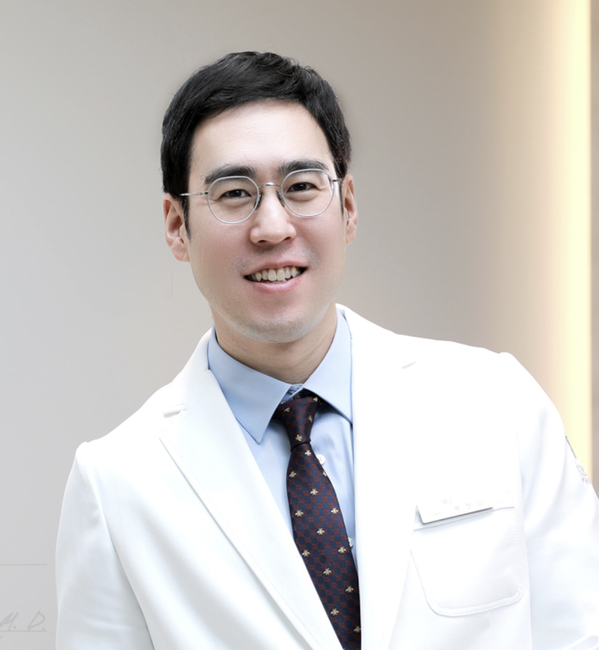
Dr. HyunSung Park
Medical Director · Internal Medicine Specialist · Consults in English & Korean
- Board-certified in internal medicine
- Gastroenterology subspecialist
- ECFMG certified (U.S.)
- Graduate, State University of New York
- Former Clinical Professor, Dongguk Univ. Ilsan Hospital
- Treating patients in Korea since 2010
Related care
Common questions
How long does a lab test in Seoul take to come back?
Rapid swabs and urine dipsticks are usually read during the visit. Most routine blood and urine tests take one to two business days, cultures slightly longer, and specialty send-out tests from several days to a few weeks.
Can I collect a stool or urine sample at home?
Yes, for many tests. We give you a container and English instructions on timing, labeling and storage. Bring the sample back within the time window stated, because a delayed or warm sample may not be usable.
Can you send my results to my doctor overseas?
We give you an English report that you can forward, and we can align units and reference ranges where possible. If your doctor needs a summary letter, ask during your review and Dr. Park can prepare one.
I am leaving Korea before my results are ready. What happens?
Tell us your departure date when you book. Results that arrive after you leave can be reviewed with you by message or video, and the report is sent to you electronically.
Do I need to fast for lab tests?
Only for certain blood tests, mainly lipids and fasting glucose, which usually need 8–12 hours with water only. Urine, stool and swab tests do not require fasting, though for some urine tests we prefer the first sample of the morning.
Can I get an itemized receipt for my insurance?
Yes. We provide itemized English receipts, with diagnosis details added when applicable. Coverage depends on your own insurer, so check their claim requirements before your visit.
This page is general information reviewed by a physician and is not a substitute for a personal consultation. Treatment suitability, benefits and risks differ for each person and are discussed with you before any care. In an emergency in Korea, call 119.
Questions about lab test seoul? Ask us.
Send a message and we'll reply on WhatsApp in English, usually the same day. WhatsApp: +82-10-5700-7597