
Sleep IV in Seoul, and a plan for better nights
Wide awake at 3 a.m. after landing in Seoul, or sleeping badly through a stressful month? A drip is only one small piece of the answer.
3F, 162 Apgujeong-ro, Gangnam-gu
Apgujeong Station (Line 3), Exit 5 · 1 min walk
A sleep IV in Seoul at VEI Clinic in Apgujeong, Gangnam is a non-sedating, doctor-prescribed drip of fluids with nutrients such as magnesium or B vitamins, given after a consultation with Dr. HyunSung Park. It is not a sleeping pill, evidence for it is limited, and lasting improvement usually comes from treating the cause of poor sleep.
What a sleep IV in Seoul is, and is not
A sleep IV in Seoul at VEI Clinic is a gentle drip of IV fluids, sometimes with magnesium or B vitamins, for people whose sleep has been thrown off by jet lag, a short period of stress or a recent illness that left them dehydrated and run-down. It does not contain sleeping drugs or anesthetics, it will not knock you out, and you can walk out afterward and go about your day.
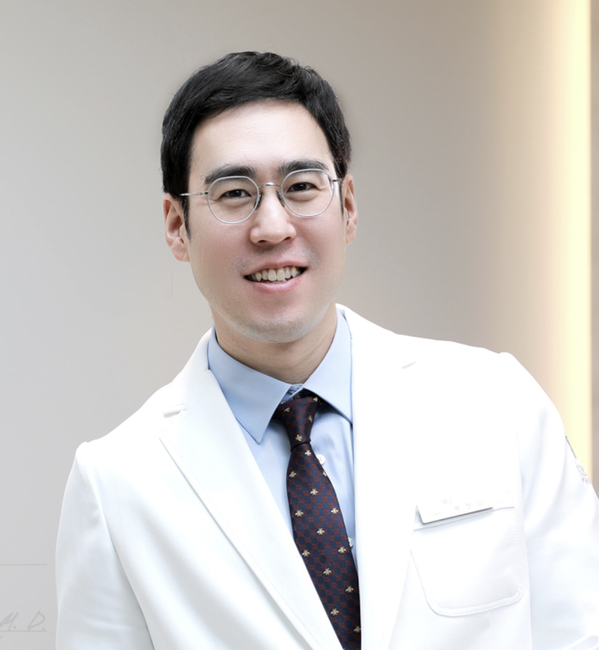
Before deciding anything, Dr. HyunSung Park, a board-certified internal medicine specialist who has treated patients in Korea since 2010, asks how long the problem has lasted, what your nights look like, and what you take, including caffeine, alcohol and supplements. For many people, that conversation turns out to be more useful than the drip itself.
The evidence, honestly
Magnesium plays a role in nerve and muscle function, and some small studies suggest oral magnesium may slightly help sleep in older adults with low levels. Research on IV nutrients specifically for sleep is very limited, so we cannot promise that a drip will improve your nights. Rehydration may help you feel less wired and achy after a long journey, which can make it easier to rest.
For long-term insomnia, the treatment with the strongest evidence is cognitive behavioral therapy for insomnia, known as CBT-I. It retrains the habits and thought patterns that keep you awake and tends to work better over time than sleeping pills.
Simple habits also carry real weight. A cool, dark bedroom, a fixed wake-up time, putting phones away an hour before bed, and getting out of bed to read quietly if you have been lying awake for more than about 20 minutes all help retrain your brain to link bed with sleep. Late-night meals and the after-work drinking common in Seoul can fragment sleep even when they make you feel drowsy at first.
Resetting your body clock after a flight
If jet lag is the reason you cannot sleep in Seoul, timing matters more than any infusion. These steps help most travelers adapt faster:
- Get bright outdoor light in the morning after flying east, and in the late afternoon after flying west
- Keep naps under 30 minutes and before mid-afternoon
- Stop caffeine by early afternoon, and avoid alcohol as a sleep aid
- Ask the doctor about short-term melatonin timing, which has reasonable evidence for jet lag
- Wake at the same time each day, even after a bad night
Medical causes worth checking
Poor sleep that lasts more than a few weeks often has a cause. Loud snoring with pauses in breathing or daytime sleepiness can point to sleep apnea. An overactive thyroid, acid reflux at night, chronic pain, frequent nighttime urination, restless legs linked to low iron, and some medicines including decongestants and steroids can all disturb sleep. Dr. Park can check thyroid function, iron and other markers with blood tests and refer you to a hospital sleep clinic for a sleep study if apnea is suspected.
Anxiety and low mood are also common drivers of poor sleep, especially for people adjusting to a new job or a move abroad. If that sounds familiar, it is worth saying so during the consultation; treating the underlying stress usually does more for sleep than any drip.
Who it suits and who should not have it
A drip may suit healthy adults with short-term sleep disruption who understand its limits. It needs extra caution, or should be avoided, if you have heart failure, kidney disease, heart rhythm problems, G6PD deficiency (if vitamin C is considered), or if you are pregnant or breastfeeding. Tell us about any sleeping pills, antidepressants or blood thinners.
Some situations need urgent help instead. If poor sleep comes with thoughts of harming yourself, contact the Korean suicide prevention line on 109 or call 119. Also call 119 for chest pain, severe breathlessness, confusion or fainting.
How it works
Message us on WhatsApp
Tell us how long sleep has been a problem, your travel plans and any medicines.
Sleep-focused consultation
Dr. Park reviews your sleep pattern and health and decides if a drip, tests or other advice suit you.
Drip if appropriate
A non-sedating IV runs for about 30–60 minutes in a private room.
Leave with a plan
You get practical sleep and light-timing advice, plus tests or referrals if needed.
Dr. HyunSung Park
Medical Director · Internal Medicine Specialist · Consults in English & Korean
- Board-certified in internal medicine
- Gastroenterology subspecialist
- ECFMG certified (U.S.)
- Graduate, State University of New York
- Former Clinical Professor, Dongguk Univ. Ilsan Hospital
- Treating patients in Korea since 2010
Related care
Common questions
Will a sleep IV in Seoul make me fall asleep?
No. It is not a sedative and does not contain sleeping medicine. Its aim is to support hydration and comfort while you work on the habits and timing that drive good sleep.
Can I get sleeping pills instead?
Sleeping pills can help for a few nights in specific situations, but they carry risks such as next-day drowsiness and dependence. The doctor will discuss whether anything is appropriate for you and for how long, after a proper assessment.
Is melatonin legal and available in Korea?
In Korea, melatonin is a prescription medicine rather than an over-the-counter supplement. If it suits your situation, for example for jet lag, Dr. Park can discuss whether a prescription is appropriate.
What time of day should I have the drip?
Any time during opening hours works, as it does not make you drowsy. Some travelers prefer the afternoon on their first or second day in Seoul, combined with an evening walk in natural light.
I snore and wake up tired. Will the IV help?
Probably not, because those symptoms can suggest sleep apnea, which needs a proper evaluation. Untreated apnea raises the risk of high blood pressure and heart problems, so the doctor may recommend a sleep study at a hospital.
How many sessions would I need?
Usually none or one, as a drip is a short-term support rather than a treatment for insomnia. If poor sleep continues beyond a few weeks, the focus shifts to finding the cause and to proven approaches such as CBT-I.
This page is general information reviewed by a physician and is not a substitute for a personal consultation. Treatment suitability, benefits and risks differ for each person and are discussed with you before any care. In an emergency in Korea, call 119.
Questions about sleep iv seoul? Ask us.
Send a message and we'll reply on WhatsApp in English, usually the same day. WhatsApp: +82-10-5700-7597