
Thyroid ultrasound in Seoul, with a doctor's view
A thyroid ultrasound takes minutes and uses no radiation. The real value is in what happens next: understanding the result and knowing whether anything needs to be done.
3F, 162 Apgujeong-ro, Gangnam-gu
Apgujeong Station (Line 3), Exit 5 · 1 min walk
VEI Clinic in Apgujeong, Gangnam arranges thyroid ultrasound in Seoul for neck lumps, an enlarged thyroid, abnormal thyroid blood tests or follow-up of known nodules. Dr. HyunSung Park, a board-certified internal medicine specialist, examines your neck, adds blood tests such as TSH where useful, and explains the scan and next steps in English. No fasting is needed.
What a thyroid ultrasound in Seoul involves
The thyroid is a butterfly-shaped gland at the front of the neck that controls how fast your body uses energy. A thyroid ultrasound uses sound waves to produce a detailed picture of the gland and the tissues around it.
You lie on your back with a small pillow under your shoulders so your neck is gently extended. Gel is applied, and a probe is moved over the front and sides of your neck. The scan is painless and typically takes 10 to 20 minutes. There is no radiation and no injection.
At VEI Clinic, a thyroid ultrasound in Seoul is ordered after a consultation with Dr. HyunSung Park, a board-certified internal medicine specialist. He examines your neck, reviews symptoms and medicines, and decides which blood tests, such as TSH, free T4 and thyroid antibodies, will help interpret the scan.
What thyroid ultrasound can show
Ultrasound is the main test for looking at the structure of the thyroid. It is especially useful for describing nodules, because their appearance guides whether they can simply be watched.
- The size of the gland and whether it is enlarged (goiter)
- Nodules: their number, size, location and features such as solid or cystic content, margins, calcifications and shape
- Patterns that suggest inflammation, such as the texture seen in Hashimoto's thyroiditis
- Lymph nodes in the neck when they need assessing
- Changes over time when compared with earlier scans
What it cannot tell you
Ultrasound shows structure, not function. Whether your thyroid is overactive or underactive is decided by blood tests, not by the scan. Ultrasound also cannot say for certain whether a nodule is benign or cancerous; it assigns a risk category. When a nodule has concerning features or reaches a certain size, the next step is a fine-needle aspiration (FNA) biopsy, which is done at a hospital or specialist center. We refer you with an English summary when it is needed.
It is also worth knowing that small thyroid nodules are very common, and most are benign. Routine ultrasound screening of people with no symptoms or risk factors is not generally recommended, because it finds many harmless nodules that lead to unnecessary tests. Dr. Park will tell you honestly whether a scan is worthwhile for you.
Who it suits, and who may not need it
Thyroid ultrasound suits people with a lump felt or seen in the neck, a nodule found on another scan, an enlarged thyroid, a family history of thyroid cancer or a history of neck radiation, and those due for follow-up of known nodules. It can also help when blood tests suggest thyroiditis.
If you have tiredness or weight change but a normal neck exam, blood tests usually come first, and a scan may not add anything. Our separate thyroid nodule and Hashimoto's pages go deeper into those specific conditions.
Korea offers a well-known lesson here. When thyroid ultrasound became a common add-on to health checkups, the number of small thyroid cancers diagnosed rose sharply, while deaths from thyroid cancer barely changed. That pattern is widely cited as overdiagnosis, and it is why we prefer to scan for a clear reason.
Preparation, results and red flags
No fasting is needed. Wear a top with an open neckline and remove necklaces. If you take biotin (vitamin B7) supplements, tell us, as high doses can distort some thyroid blood tests; stopping them for a few days before the blood draw is often advised. Bring any earlier ultrasound reports or images so nodules can be compared accurately.
After the scan, Dr. Park explains the findings, the risk category of any nodule, and whether you need reassurance only, a repeat scan, a biopsy referral or an endocrinology opinion.
Call 119 or go to an emergency room if a neck swelling grows rapidly and causes difficulty breathing or swallowing, if you have noisy breathing, or if there is severe neck pain with high fever.
How it works
Consultation
Dr. Park reviews your history and examines your neck to decide whether ultrasound is useful.
Blood tests
TSH, free T4 and antibodies are taken when they help interpret the picture.
Scan
The thyroid ultrasound is arranged, often on the same or next day depending on availability, with no fasting needed.
Results and plan
You receive an English explanation and a clear plan: reassurance, monitoring, biopsy or specialist referral.
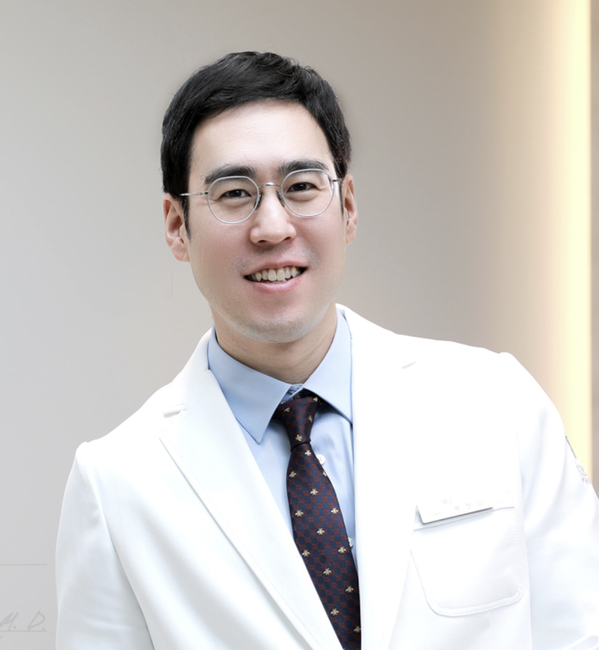
Dr. HyunSung Park
Medical Director · Internal Medicine Specialist · Consults in English & Korean
- Board-certified in internal medicine
- Gastroenterology subspecialist
- ECFMG certified (U.S.)
- Graduate, State University of New York
- Former Clinical Professor, Dongguk Univ. Ilsan Hospital
- Treating patients in Korea since 2010
Related care
Common questions
Do I need to fast before a thyroid ultrasound in Seoul?
No. You can eat and drink normally before a thyroid ultrasound. Some blood tests taken at the same visit may have their own instructions, which we give you in advance.
Can ultrasound tell if a thyroid nodule is cancer?
Not with certainty. Ultrasound features place a nodule in a low, intermediate or high suspicion group. Nodules with concerning features or above certain sizes are usually sampled with a fine-needle biopsy, which we arrange through a hospital or specialist center.
Will a thyroid ultrasound show if my thyroid is underactive?
No. Thyroid function is measured with blood tests such as TSH and free T4. Ultrasound can show changes that fit thyroiditis, but the diagnosis of an underactive or overactive thyroid comes from the blood results.
How often should a thyroid nodule be rechecked?
It depends on the nodule's features and size. Low-risk nodules may need a repeat scan after one to two years or no routine follow-up, while others are checked sooner. Dr. Park sets the interval based on current guideline categories.
Should I take biotin before my thyroid tests?
High-dose biotin, often found in hair and nail supplements, can interfere with some thyroid blood tests and give misleading results. Tell us if you take it; stopping it for a few days before the blood draw is commonly advised.
Is a thyroid ultrasound safe in pregnancy?
Yes. Ultrasound uses no radiation and is considered safe in pregnancy. Thyroid blood test reference ranges change during pregnancy, so tell us if you are pregnant or planning to be.
This page is general information reviewed by a physician and is not a substitute for a personal consultation. Treatment suitability, benefits and risks differ for each person and are discussed with you before any care. In an emergency in Korea, call 119.
Questions about thyroid ultrasound seoul? Ask us.
Send a message and we'll reply on WhatsApp in English, usually the same day. WhatsApp: +82-10-5700-7597