
NK cell activity test in Seoul, explained honestly
Curious about your immune activity, or asked about this test by a friend in Korea? Here is what it can tell you, and what it cannot.
3F, 162 Apgujeong-ro, Gangnam-gu
Apgujeong Station (Line 3), Exit 5 · 1 min walk
An NK cell activity test in Seoul at VEI Clinic in Apgujeong, Gangnam is a blood test that measures how strongly your natural killer cells respond to a lab stimulus. Dr. HyunSung Park explains results 1:1 in English. It is one research-based marker of immune activity, not a test that diagnoses cancer or any disease.
What the NK cell activity test in Seoul measures
Natural killer (NK) cells are white blood cells that form part of your first-line immune defense. They can recognize and destroy some virus-infected cells and some abnormal cells without needing prior exposure. The NK cell activity test in Seoul offered at VEI Clinic is a functional blood test: a small sample is stimulated in the lab and the response is measured, usually as the amount of interferon-gamma (IFN-γ) released. The exact method and reference range depend on the assay used.
This differs from simply counting NK cells. It looks at how active they are at the moment of the blood draw, which is why it is called NK cell activity, or NKA. It is widely available in Korea and popular in health checkup packages, but it should be understood for what it is: one data point about immune activity.
What the evidence does and does not support
Research has linked lower NK cell activity with older age, chronic stress, poor sleep and some illnesses, and studies continue in areas such as cancer and chronic infection. However, the test has limited clinical validation for everyday decisions. Major medical guidelines do not recommend it for screening healthy people, and there is no proven treatment, supplement or drip shown to raise NK activity in a way that improves health outcomes.
In practice this means a low result is not a diagnosis, and a normal result does not rule anything out. NK activity is not a cancer screening test and cannot replace proven screening such as colonoscopy, mammography, cervical screening or low-dose CT where appropriate. We say this plainly so you can decide whether the test is worth doing for you.
Who might consider it, and who should not rely on it
Some people choose the test as a personal baseline and repeat it later to see a trend, for example after a long period of illness, heavy work stress or major lifestyle change. Others want it as part of a broader longevity or functional medicine checkup. Dr. HyunSung Park, a board-certified internal medicine specialist and member of the Korean Institute of Functional Medicine, can discuss whether it adds anything to your situation.
- Reasonable: curiosity about a baseline, tracking a trend, adding context to a wider checkup
- Not suitable: checking whether you have cancer or an infection
- Not suitable: replacing follow-up for unexplained weight loss, fever or night sweats
- If you are under oncology or immunology care, your specialist's plan comes first
How to prepare for a reliable result
Because NK activity changes from day to day, timing matters. Results can be lowered by an acute infection, a bad night of sleep, intense stress, dehydration, heavy exercise or alcohol. Steroids, immune-modifying medicines and some supplements may also affect the reading.
- Book a morning blood draw if possible
- Avoid alcohol for 24 hours and strenuous exercise for 12 to 24 hours beforehand
- Arrive well hydrated; we tell you in advance if fasting is needed for any added tests
- Postpone the test if you currently have a cold, fever or other acute illness
- Bring a list of your medicines, supplements and any recent vaccines
Results explained 1:1 in English, and next steps
Results usually come back within several business days, depending on the lab. Dr. Park reviews them with you in English, explains the reference range, points out anything that might have skewed the number, and tells you whether a repeat test makes sense.
If your result is low, the useful next steps are usually the unglamorous ones: better sleep, regular exercise, stopping smoking, limiting alcohol, staying up to date on vaccines and checking for treatable problems such as anemia, vitamin deficiency, thyroid disease or poorly controlled diabetes. If your history suggests something more, we recommend the proper tests or refer you to a hospital specialist.
Red flags: when this test is the wrong step
NK cell testing is a non-urgent elective test. If you have chest pain, severe shortness of breath, confusion, signs of stroke, heavy bleeding or a very high fever with dehydration, call 119 or go to an emergency room. Unexplained weight loss, persistent fevers, night sweats, a new lump or blood in your stool need a proper medical assessment, not an immune activity score.
How it works
Consultation
Dr. Park asks about your goals, symptoms, medicines and recent illnesses, and explains what the test can and cannot show.
Blood draw
A quick sample is taken, with companion labs added only if they are clinically useful.
Lab analysis
The sample is stimulated and NK activity measured; results usually take several business days.
Results review
You get a 1:1 English explanation, practical advice and a view on whether repeat testing is sensible.
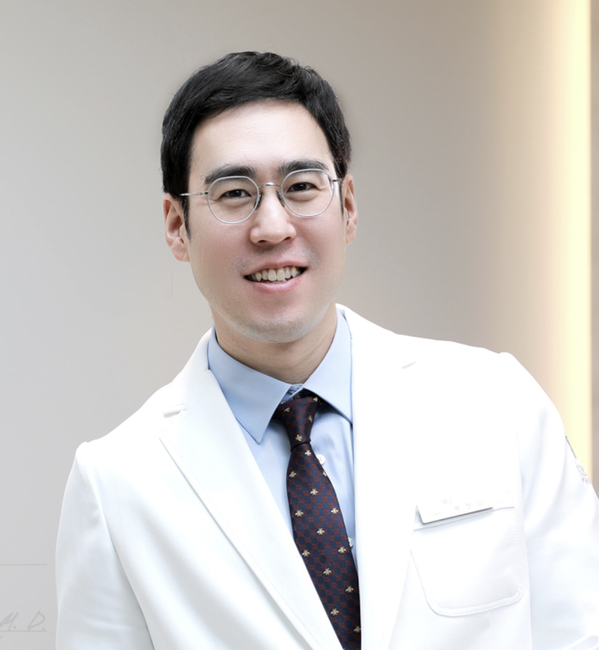
Dr. HyunSung Park
Medical Director · Internal Medicine Specialist · Consults in English & Korean
- Board-certified in internal medicine
- Gastroenterology subspecialist
- ECFMG certified (U.S.)
- Graduate, State University of New York
- Former Clinical Professor, Dongguk Univ. Ilsan Hospital
- Treating patients in Korea since 2010
Related care
Common questions
Can an NK cell activity test in Seoul detect cancer?
No. It measures how active certain immune cells are, and it is not validated as a cancer screening or diagnostic test. People with cancer can have normal results, and healthy people can have low ones. Ask us about proven, age-appropriate cancer screening instead.
What does a low result mean?
On its own, not very much. A single low reading is often influenced by poor sleep, stress, a recent infection or alcohol. Dr. Park looks at your overall health and may suggest repeating the test under better conditions before drawing any conclusions.
Can supplements or IV drips raise my NK activity?
Some products are marketed this way, but good evidence that they improve NK activity in a way that matters for health is lacking. Sleep, exercise, not smoking, moderate alcohol and vaccinations have stronger evidence for overall immune health.
Do I need to fast?
Fasting is usually not essential for this test, but we will tell you when you book if any added tests, such as glucose or cholesterol, require it. Drinking water beforehand is fine and helpful.
How often should I repeat it?
There is no standard schedule. If you use it to watch a personal trend, repeating it under similar conditions, such as the same time of day and when you are well, makes comparisons more meaningful. Many people never need to repeat it.
Is this test covered by insurance?
NK activity testing is generally an elective test and is often not covered by Korean national health insurance. We explain the full cost before testing and can provide an itemized English receipt if you want to claim with a private insurer.
This page is general information reviewed by a physician and is not a substitute for a personal consultation. Treatment suitability, benefits and risks differ for each person and are discussed with you before any care. In an emergency in Korea, call 119.
Questions about nk cell activity test seoul? Ask us.
Send a message and we'll reply on WhatsApp in English, usually the same day. WhatsApp: +82-10-5700-7597