
Cold and flu doctor in Seoul, seen the same day
Most colds get better on their own, but flu can knock you flat and some people need treatment early. A quick visit tells you which it is and what will actually help.
3F, 162 Apgujeong-ro, Gangnam-gu
Apgujeong Station (Line 3), Exit 5 · 1 min walk
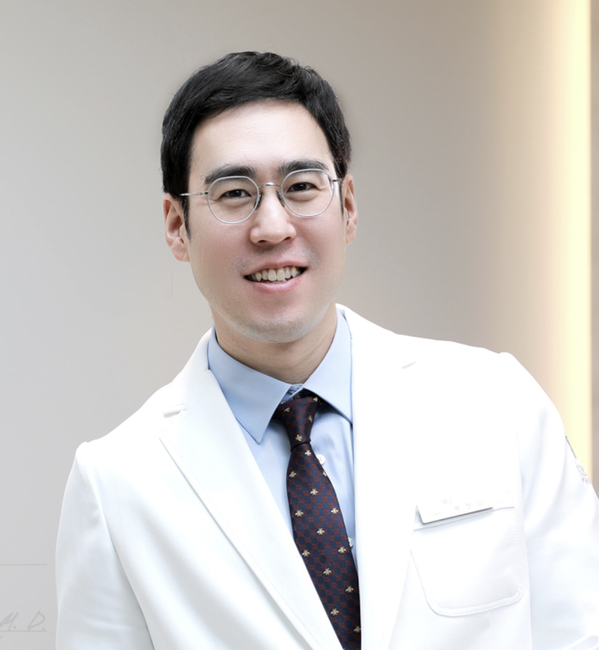
For a cold and flu doctor in Seoul, VEI Clinic in Apgujeong, Gangnam offers same-day visits in English with Dr. HyunSung Park, a board-certified internal medicine specialist. He checks whether it is a cold, flu or something more, uses rapid testing where appropriate, and advises on flu antivirals, symptom relief and when you can safely return to work.
When to see a cold and flu doctor in Seoul
A runny nose and scratchy throat that build slowly over a couple of days usually point to a common cold. Flu tends to arrive suddenly, often with fever, chills, aching muscles, a headache and exhaustion that makes it hard to get out of bed. Both are caused by viruses, and both spread easily in Seoul's crowded subways and offices, especially through autumn and winter.
Many healthy adults can manage a cold at home. It is worth seeing a cold and flu doctor if you think you have flu and are within the first two days, if you are in a higher-risk group, if symptoms are severe or getting worse after the first few days, or if you need a medical note for work.
At VEI Clinic, Dr. HyunSung Park, a board-certified internal medicine specialist, sees you one-to-one in English. He has treated patients in Korea since 2010 and focuses on telling you clearly what is going on and what is worth doing.
Cold versus flu at a glance
Symptoms overlap, and COVID-19 can look like either. That is why the doctor may suggest rapid testing where appropriate, mainly when the result would change treatment or your plans for work and travel.
- Onset: a cold creeps up over a day or two; flu often starts within hours
- Fever: uncommon or mild with a cold; frequent and often high with flu
- Aches and exhaustion: mild with a cold; marked with flu and can last a week or more
- Nose and throat: congestion and sneezing dominate a cold; flu is more of a whole-body illness
- Complications: rare with a cold; flu can lead to pneumonia, especially in high-risk people
What we do at your visit
Dr. Park asks how and when your symptoms started, checks your temperature, throat, ears, chest and breathing, and reviews any long-term conditions and medicines. If flu is likely and you are early in the illness or at higher risk, he may recommend an antiviral medicine such as oseltamivir. Antivirals work best when started within about 48 hours of symptoms beginning; they can shorten the illness and lower the risk of complications, though they do not make flu disappear overnight.
Antibiotics do not work against cold or flu viruses and can cause side effects, so we prescribe them only if there are signs of a bacterial infection such as some sinus, ear or chest infections. For symptom relief, you get specific advice on fever and pain medicine, throat care, and safe combinations of cold remedies sold at Korean pharmacies, where brand names may be unfamiliar.
Before you leave you will know what to expect day by day, which warning signs mean you should come back or go to hospital, and when you are likely to be fit for work or travel. English sick notes are available when appropriate.
Who should be seen early, and when it is an emergency
Some people are more likely to develop complications from flu and benefit most from early assessment and antivirals. If you fall into one of these groups, come in promptly rather than waiting.
- Adults aged 65 or older, and pregnant women
- People with asthma, COPD, heart, kidney or liver disease, or diabetes
- Anyone with a weakened immune system, for example from chemotherapy or steroids
- Call 119 for severe shortness of breath, chest pain, confusion, fainting or bluish lips
- Go to an emergency room for a fever that returns after improving with a worsening cough, or signs of severe dehydration
Recovery at home and preventing the next one
Rest, plenty of fluids and simple fever and pain relief are the foundation of recovery for both colds and flu. Warm drinks, salt-water gargles and a humidifier can ease throat and nose symptoms. Coughs often linger for two to three weeks after a cold, which is usually normal, but a cough that worsens or comes with breathlessness should be checked.
To protect others, stay home while you have a fever, wear a mask in shared spaces and wash your hands often. A yearly flu shot is the most effective way to lower your risk of flu and its complications. We offer seasonal flu vaccination, usually from autumn, and can give it once you have recovered.
Cold and flu visits are usually covered by Korea's National Health Insurance if you are enrolled. Visitors pay the fee directly and receive an itemized English receipt.
How it works
Message or walk in
WhatsApp +82-10-5700-7597 with your symptoms and when they started, or walk in during opening hours.
Examination
Dr. Park checks your throat, chest and breathing and reviews your risk factors.
Testing if useful
Rapid testing where appropriate, when the result would change treatment or plans.
Treatment and note
Antivirals or symptom relief as suitable, recovery advice and an English sick note if needed.
Dr. HyunSung Park
Medical Director · Internal Medicine Specialist · Consults in English & Korean
- Board-certified in internal medicine
- Gastroenterology subspecialist
- ECFMG certified (U.S.)
- Graduate, State University of New York
- Former Clinical Professor, Dongguk Univ. Ilsan Hospital
- Treating patients in Korea since 2010
Related care
Common questions
Where can I see a cold and flu doctor in Seoul in English?
VEI Clinic in Apgujeong, Gangnam offers same-day cold and flu visits with Dr. HyunSung Park, who consults in English. Walk in or message us on WhatsApp first to check the wait.
Do I need antibiotics for a cold or flu?
Usually not. Colds and flu are caused by viruses, and antibiotics do not help against viruses. The doctor prescribes them only when there are signs of a bacterial infection.
Is it too late for Tamiflu after three days?
Flu antivirals such as oseltamivir work best within about 48 hours, but they may still be advised later for people at high risk or who are seriously unwell. The doctor will decide based on your situation.
Should I get a flu test?
Not everyone needs one. Rapid testing is used where appropriate, for example if the result would change treatment, or if you are at higher risk or need clarity for work or travel.
When can I go back to work?
A common guide is to stay home until you have been free of fever for at least 24 hours without fever medicine and feel well enough. The doctor can give an English note with specific advice.
Can I get a flu shot while I have a cold?
A mild cold without fever does not usually prevent vaccination, but with a fever or moderate illness it is better to wait until you recover. Ask the doctor at your visit.
This page is general information reviewed by a physician and is not a substitute for a personal consultation. Treatment suitability, benefits and risks differ for each person and are discussed with you before any care. In an emergency in Korea, call 119.
Questions about cold and flu doctor seoul? Ask us.
Send a message and we'll reply on WhatsApp in English, usually the same day. WhatsApp: +82-10-5700-7597