
High cholesterol treatment in Seoul, matched to your risk
Cholesterol numbers only make sense next to the rest of your health. The same LDL result can mean very different things for two different people.
3F, 162 Apgujeong-ro, Gangnam-gu
Apgujeong Station (Line 3), Exit 5 · 1 min walk
For high cholesterol treatment in Seoul, VEI Clinic in Apgujeong, Gangnam offers English consultations with Dr. HyunSung Park, a board-certified internal medicine specialist. He reviews your lipid results, family history and overall heart risk, adds markers such as ApoB or Lp(a) when useful, sets a personal LDL target, and combines lifestyle changes with medication when needed.
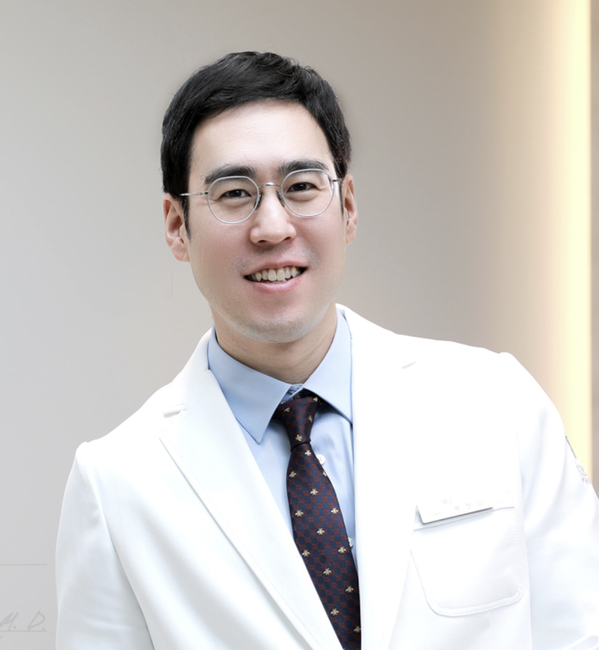
What high cholesterol treatment in Seoul looks like at VEI Clinic
Cholesterol travels in the blood inside particles called lipoproteins. LDL cholesterol, often called bad cholesterol, is the main driver of plaque building up in the arteries over decades. High LDL rarely causes symptoms, so most people find out from a health checkup.
High cholesterol treatment in Seoul at our Apgujeong clinic is led by Dr. HyunSung Park, a board-certified internal medicine specialist. Rather than treating a single number, he looks at your whole profile: age, blood pressure, blood sugar, smoking, kidney function, waist size and, importantly, family history of early heart disease or stroke. That determines how low your LDL should be and whether medicine is worth starting now.
What we test, and why
A standard lipid panel measures total cholesterol, LDL, HDL and triglycerides. Non-fasting samples are fine for most people. A fast of around 8 to 12 hours may be requested if triglycerides are high or a result needs confirming.
- ApoB: counts the number of harmful particles and can be more informative than LDL alone, especially with high triglycerides, diabetes or excess weight
- Lipoprotein(a): a largely inherited risk factor that many guidelines suggest measuring at least once in adulthood
- Glucose, HbA1c, liver, kidney and thyroid tests, which can reveal causes or related conditions
- Blood pressure and body composition, to complete the risk picture
- Coronary calcium scoring, arranged through a hospital, when it would help decide on treatment
Targets and treatment
Current European and American guidelines link LDL targets to overall risk. For people with established heart disease or very high risk, the target is typically below 55 to 70 mg/dL. For high risk, below 70 mg/dL is common, and for moderate risk below 100 mg/dL. Lower-risk people may not need medicine at all. Dr. Park explains where you sit and why.
Lifestyle comes first for everyone: fewer saturated fats from fatty meat, processed meat and butter; more vegetables, beans, oats, nuts and fish; regular activity; limiting alcohol, which particularly raises triglycerides; and not smoking. These changes typically lower LDL modestly and improve triglycerides more.
When medicine is needed, statins are the first choice and are among the most studied drugs in medicine. Muscle aches are the most common complaint; many people who have them can still take a different statin or a lower dose. Ezetimibe can be added, and for very high-risk patients who do not reach target, injectable PCSK9-targeting therapies may be considered through specialist care. We recheck labs six to twelve weeks after any change.
Who this suits, and who needs more
This clinic suits adults with raised cholesterol or triglycerides from a checkup, people with a strong family history who want a proper risk assessment, and those already on treatment who want a review in English while living in Seoul. It works well alongside our diabetes, blood pressure and metabolic health care, since these risks travel together.
Very high LDL from a young age, or a family pattern of heart attacks before 55 in men or 65 in women, can suggest familial hypercholesterolemia. That deserves earlier, stronger treatment and screening of relatives, and we may involve a lipid or cardiology specialist. Very high triglycerides, especially above 500 mg/dL, raise the risk of pancreatitis and need prompt attention.
Red flags: when to call 119
High cholesterol itself is not an emergency, but the conditions it leads to can be. Call 119 or go to an emergency room straight away for any of the following.
- Chest pain or pressure, especially with sweating, nausea or breathlessness
- Pain spreading to the arm, jaw, neck or back
- Sudden weakness or numbness on one side, facial droop or difficulty speaking
- Sudden loss of vision, severe dizziness or fainting
- Severe upper abdominal pain spreading to the back, particularly with very high triglycerides
How it works
Bring your results
Share your checkup or lab reports and family history on WhatsApp or at your visit.
Risk assessment
Dr. Park reviews your full profile and orders only the extra tests that will change the plan.
Set a target
You agree on a personal LDL or ApoB target and the lifestyle steps and any medicine to reach it.
Recheck
Labs are repeated about six to twelve weeks after changes, then every few months to yearly once stable.
Dr. HyunSung Park
Medical Director · Internal Medicine Specialist · Consults in English & Korean
- Board-certified in internal medicine
- Gastroenterology subspecialist
- ECFMG certified (U.S.)
- Graduate, State University of New York
- Former Clinical Professor, Dongguk Univ. Ilsan Hospital
- Treating patients in Korea since 2010
Related care
Common questions
When does high cholesterol treatment in Seoul need medication?
It depends on your overall risk, not cholesterol alone. People with heart disease, diabetes, very high LDL or a high calculated risk usually benefit from medicine, while lower-risk people may start with lifestyle changes. Dr. Park explains the expected benefit for you before you decide.
Do I need to fast for a cholesterol test?
Usually not. Non-fasting tests are accepted for most people. If your triglycerides are high or we need to confirm a result, we may ask you to fast for 8 to 12 hours, with water allowed.
Are statins safe?
Statins have been used by millions of people for decades and reduce heart attacks and strokes in those at raised risk. Side effects such as muscle aches occur in a minority, and there is a small rise in blood sugar for some. Most issues can be managed by changing the dose or type.
What is Lp(a) and should I test it?
Lipoprotein(a) is a cholesterol-carrying particle whose level is mostly set by your genes. A high level adds to heart risk even when LDL is normal. Many guidelines suggest checking it once in adulthood, especially with a family history of early heart disease.
Can diet alone fix high cholesterol?
Diet and exercise help everyone and may be enough for people with mildly raised levels and low overall risk. For inherited high cholesterol or high risk, lifestyle changes alone rarely reach target, and medicine adds substantial protection.
Can supplements lower cholesterol?
Some, such as soluble fiber and plant sterols, have modest effects. Others, like red yeast rice, contain statin-like compounds of variable strength and purity. Tell us what you take so we can judge safety and avoid interactions.
This page is general information reviewed by a physician and is not a substitute for a personal consultation. Treatment suitability, benefits and risks differ for each person and are discussed with you before any care. In an emergency in Korea, call 119.
Questions about high cholesterol treatment seoul? Ask us.
Send a message and we'll reply on WhatsApp in English, usually the same day. WhatsApp: +82-10-5700-7597