
Jet lag IV in Seoul, plus a plan to reset your body clock
Jet lag is a timing problem, not just tiredness. A drip can take the edge off the physical symptoms; your body clock needs light, darkness and a few days. Here is how we combine the two.
3F, 162 Apgujeong-ro, Gangnam-gu
Apgujeong Station (Line 3), Exit 5 · 1 min walk
A jet lag IV in Seoul at VEI Clinic in Apgujeong, Gangnam is a doctor-prescribed drip of fluids, electrolytes and, if suitable, B vitamins or symptom relief, given over about 30–60 minutes. It can ease dehydration, headache and nausea, but it cannot shift your body clock. Dr. HyunSung Park pairs it with a light and sleep plan.
What a jet lag IV in Seoul can and cannot do
Jet lag happens when your internal clock is still running on home time after you cross several time zones. Seoul is 7 to 9 hours ahead of Western Europe and 13 to 17 hours ahead of North America, so many visitors arrive with their body convinced it is the middle of the night.
A jet lag IV in Seoul helps with the parts of travel fatigue that come from dehydration and symptoms: headache, nausea, low appetite and that heavy, washed-out feeling. It does nothing to move your circadian rhythm. That reset depends on when you see light, when you sleep and when you eat. Research on vitamin drips in healthy people is limited, so we treat the IV as a comfort measure and spend just as much time on the plan.
What is in the drip
After a short consultation, Dr. HyunSung Park, a board-certified internal medicine specialist, chooses the contents for you. If you arrive very run-down, unable to keep fluids down, or with a fever, the consultation may change the plan entirely. Sometimes a few hours of rest, water and daylight do as much as a drip, and we will say so honestly.
When a drip does make sense, typical components are:
- Balanced IV fluids with electrolytes to correct dehydration from dry cabin air, caffeine and alcohol.
- B vitamins and, in some cases, magnesium or vitamin C, only if they suit your health history.
- Medicine for nausea or headache when clinically appropriate and safe with what you already take.
- Nothing sedating or stimulating by default; the goal is to feel steady, not knocked out or wired.
Your jet lag recovery plan
These are the steps with the strongest evidence for shifting your clock. Which way your clock needs to move depends on where you started, so Dr. Park will tailor the timing to your route and how long you are staying.
- Coming from Europe, the Middle East or South Asia (Seoul is roughly 3–9 hours ahead): your clock needs to move earlier. Get bright light from late morning to early afternoon, and avoid bright early-morning light for the first two or three days.
- Coming from the Americas (Seoul is 13–17 hours ahead): the body often adjusts as if it were moving the other way, by delaying. Get daylight in the afternoon and early evening, and try to stay awake until a sensible local bedtime.
- Sleep on local time: if you must nap, keep it under 30 minutes and before mid-afternoon.
- Caffeine: use it in the morning only and stop at least 8 hours before your target bedtime.
- Melatonin: a low dose taken near local bedtime can help some travelers, especially when the clock needs to move earlier. Ask the doctor whether it suits you, as it can interact with some medicines.
- Meals: eat on Seoul time, with a solid breakfast to anchor your day; go easy on alcohol, which fragments sleep.
Who it may suit, and who should not have it
It may suit a healthy adult who has just landed and feels dehydrated, headachy or queasy, or a business traveler who needs to function the next day. If you have a short trip of one or two days, it may make more sense to stay on home time as much as possible, and the doctor can help you plan that instead.
The drip is not suitable, or needs adjusting, if you have heart failure, kidney or liver disease, G6PD deficiency, a history of kidney stones, are pregnant or breastfeeding, or take blood thinners or diuretics. Tell us about sleeping tablets or other medicines you use for travel.
When it is more than jet lag
Call 119 or go to an emergency department for chest pain, sudden shortness of breath, a swollen, painful calf (long flights raise the risk of blood clots), confusion, fainting or a sudden severe headache. A high fever after travel, especially from areas where malaria or dengue occurs, needs a proper medical assessment rather than a drip. Fatigue that lasts well beyond a week after arrival deserves a checkup and blood tests.
How it works
Message us on WhatsApp
Send your arrival time, where you flew from and how you feel.
Consultation
Dr. Park checks your vitals, history and medicines and decides whether a drip is worthwhile.
Drip and planning
While the IV runs for 30–60 minutes, you go through a light and sleep plan for your route.
Settle into Seoul time
Follow the plan for the next few days and message us if anything worsens.
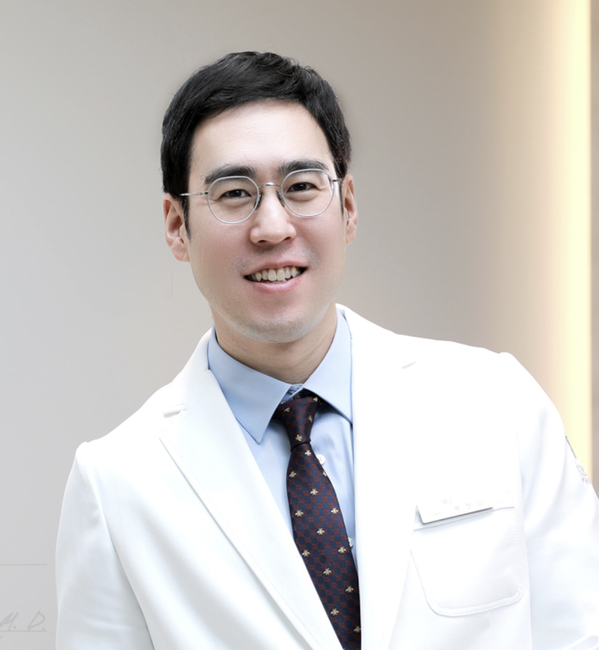
Dr. HyunSung Park
Medical Director · Internal Medicine Specialist · Consults in English & Korean
- Board-certified in internal medicine
- Gastroenterology subspecialist
- ECFMG certified (U.S.)
- Graduate, State University of New York
- Former Clinical Professor, Dongguk Univ. Ilsan Hospital
- Treating patients in Korea since 2010
Related care
Common questions
Does a jet lag IV in Seoul get rid of jet lag?
No. It can relieve dehydration, headache and nausea, which often makes the first day easier. The body clock itself shifts only with light, sleep and meal timing, usually about a day for each time zone crossed, though this varies.
When is the right time to come after landing?
Many people come the same day or the next morning. A daytime visit has a bonus: being out in daylight helps your clock adjust. Avoid booking for very late in your body's night if you can.
Should I take melatonin or sleeping pills?
Low-dose melatonin near local bedtime helps some travelers, particularly when traveling from Europe. Sleeping pills can cause grogginess and are not right for everyone. Dr. Park can advise based on your health and medicines.
How is this different from an IV after a long-haul flight?
That page covers the effects of the flight itself, such as dehydration and blood clot risk. This one focuses on recovering from jet lag over your first days in Seoul, combining the drip with a body-clock plan.
Can I have one before flying home?
Yes, if you are a suitable candidate. Some travelers prefer it a day before departure. Drink water on the flight, move regularly and start shifting your sleep toward home time a little before you leave.
What does it cost?
The price depends on the consultation and the ingredients or medicines prescribed. We give you the full price before treatment. Wellness drips are usually not covered by national health insurance, and travel insurance policies vary.
This page is general information reviewed by a physician and is not a substitute for a personal consultation. Treatment suitability, benefits and risks differ for each person and are discussed with you before any care. In an emergency in Korea, call 119.
Questions about jet lag iv seoul? Ask us.
Send a message and we'll reply on WhatsApp in English, usually the same day. WhatsApp: +82-10-5700-7597