
A weight loss doctor in Gangnam who looks deeper
Weight is often tied to hormones, metabolism, sleep and medicines. An internist-led approach finds those links before choosing a treatment.
3F, 162 Apgujeong-ro, Gangnam-gu
Apgujeong Station (Line 3), Exit 5 · 1 min walk
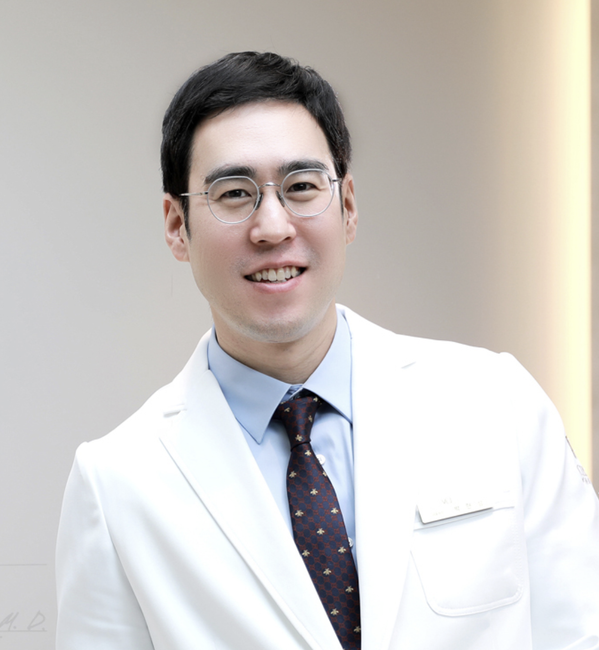
A weight loss doctor in Gangnam should look beyond the scale. At VEI Clinic in Apgujeong, Dr. HyunSung Park, a board-certified internal medicine specialist, checks blood tests, thyroid function, insulin resistance and your current medicines before recommending a plan, which may include lifestyle changes, GLP-1 medicines or body contouring, discussed 1:1 in English.
Why choose an internist as your weight loss doctor in Gangnam
Gangnam has many clinics offering weight-loss injections. What makes a weight loss doctor in Gangnam worth seeing is whether they treat weight as a medical issue with possible causes and consequences, or simply as a product to sell. Excess weight is linked to blood pressure, cholesterol, fatty liver, sleep apnea and type 2 diabetes, and some of these conditions also make weight harder to lose.
Dr. HyunSung Park is a board-certified internal medicine specialist and gastroenterology subspecialist who has treated patients in Korea since 2010. He is ECFMG certified, a graduate of the State University of New York and a former clinical professor at Dongguk University Ilsan Hospital. That background means your weight plan is designed alongside your overall health, not separately from it.
What we check before treatment
Before recommending any medicine, we look for medical factors that can affect weight or change which treatment is safe. Tests are chosen for you, so not everyone needs every item below.
Testing also gives you a baseline. If you later start medicine or change your diet, repeating key tests shows whether blood sugar, cholesterol, liver health and body composition are actually improving, rather than relying on the scale alone.
- Thyroid function: an underactive thyroid can cause weight gain, tiredness and feeling cold
- Blood sugar, HbA1c and fasting insulin: to look for insulin resistance, prediabetes or diabetes
- Liver function and, where relevant, abdominal ultrasound: to assess fatty liver
- Cholesterol and triglycerides: to understand cardiovascular risk
- Kidney function: important for safe use of some medicines
- Body composition: fat mass, muscle mass and visceral fat estimate as a baseline
- Hormone tests when symptoms suggest a hormonal cause
Reviewing your current medicines
Several common medicines can contribute to weight gain or make weight loss slower. These include some antidepressants and antipsychotics, certain diabetes medicines such as insulin and sulfonylureas, steroids, some anti-seizure medicines and some older blood pressure medicines. We never stop a medicine on our own initiative, but we can discuss alternatives with you and, where appropriate, with your prescribing doctor.
A medicine review also matters for safety. GLP-1 medicines can interact with insulin and sulfonylureas, raising the risk of low blood sugar, and tirzepatide can make oral contraceptives less reliable during dose increases.
Sleep and mood are part of this conversation too. Poor sleep, untreated sleep apnea, chronic stress and low mood can all increase appetite and make weight harder to manage. If these seem relevant, we address them alongside diet and medicine, and refer you to another specialist when needed.
Treatment options we may discuss
Once the medical picture is clear, the plan is built around your goals and health. It often combines more than one approach.
We also consider practical realities: work hours, business travel, eating out, alcohol at work dinners and time zones. A plan you can follow consistently over months usually does better than an ambitious one you abandon after a few weeks.
- Practical nutrition and activity changes that fit an expat or busy work schedule
- GLP-1 medicines such as Wegovy or Mounjaro for people who meet medical criteria
- Treatment of underlying conditions such as thyroid disease, high blood pressure or fatty liver
- Body contouring devices such as ACCENT PRIME or ACCUCURV, or fat-dissolving injections, for stubborn local areas once overall weight is addressed
- Regular follow-up with body composition testing to track fat versus muscle
Who this approach suits, and its limits
This approach suits adults who want a medical explanation for weight changes, those with weight-related conditions, and people who have tried diets repeatedly without lasting results. It is also helpful if you want a doctor to oversee GLP-1 treatment rather than buying medicine with minimal supervision.
Some situations need a different specialist. Weight-loss surgery and endoscopic procedures are not offered here, but we can refer you to a hospital. Unexplained weight loss, rather than gain, needs prompt investigation. Seek urgent care or call 119 for chest pain, sudden shortness of breath, severe abdominal pain or fainting.
How it works
Medical history
Dr. Park reviews your weight timeline, health conditions, sleep and medicines.
Targeted tests
Blood tests and body composition analysis look for underlying causes.
Results and plan
We explain your results and agree on a plan that fits your life.
Ongoing follow-up
Regular visits track progress, side effects and changes in health markers.
Dr. HyunSung Park
Medical Director · Internal Medicine Specialist · Consults in English & Korean
- Board-certified in internal medicine
- Gastroenterology subspecialist
- ECFMG certified (U.S.)
- Graduate, State University of New York
- Former Clinical Professor, Dongguk Univ. Ilsan Hospital
- Treating patients in Korea since 2010
Related care
Common questions
What does a weight loss doctor in Gangnam do differently from a diet program?
A doctor can identify medical causes, order and interpret tests, prescribe medicines when suitable and monitor safety. A diet program focuses mainly on food. At VEI Clinic, nutrition advice is one part of a broader medical plan.
Can thyroid problems really cause weight gain?
Yes. An underactive thyroid can slow metabolism and cause modest weight gain and fluid retention. Treating it can help, but thyroid disease rarely explains large weight changes on its own, so other factors are usually checked too.
Will I automatically get a weight-loss injection?
No. Medicines are prescribed only when you meet medical criteria and there are no safety concerns. Some patients are better served by lifestyle changes and treatment of an underlying condition first.
What is insulin resistance, and why does it matter for weight?
Insulin resistance means your body needs more insulin to keep blood sugar normal. It is linked to abdominal fat, cravings and a higher risk of type 2 diabetes. Identifying it helps guide both diet advice and medicine choice.
Do I need to come in fasting?
If blood tests for glucose, insulin or lipids are planned, fasting for about 8–10 hours gives the most accurate results. Water is fine. We will confirm when you book.
Where is the clinic and when are you open?
VEI Clinic is on the 3rd floor of Beneheim City at 162 Apgujeong-ro, about a one-minute walk from Apgujeong Station Exit 5. We are open Monday, Thursday and Friday 10:00–19:00, Tuesday until 20:00 and Saturday 10:00–16:00, closed Wednesday and Sunday.
This page is general information reviewed by a physician and is not a substitute for a personal consultation. Treatment suitability, benefits and risks differ for each person and are discussed with you before any care. In an emergency in Korea, call 119.
Questions about weight loss doctor gangnam? Ask us.
Send a message and we'll reply on WhatsApp in English, usually the same day. WhatsApp: +82-10-5700-7597