
A health checkup for foreigners in Korea, explained in English
Big-hospital packages are thorough but impersonal. A clinic checkup is smaller in scope, tailored to you and explained by the doctor who ordered it.
3F, 162 Apgujeong-ro, Gangnam-gu
Apgujeong Station (Line 3), Exit 5 · 1 min walk
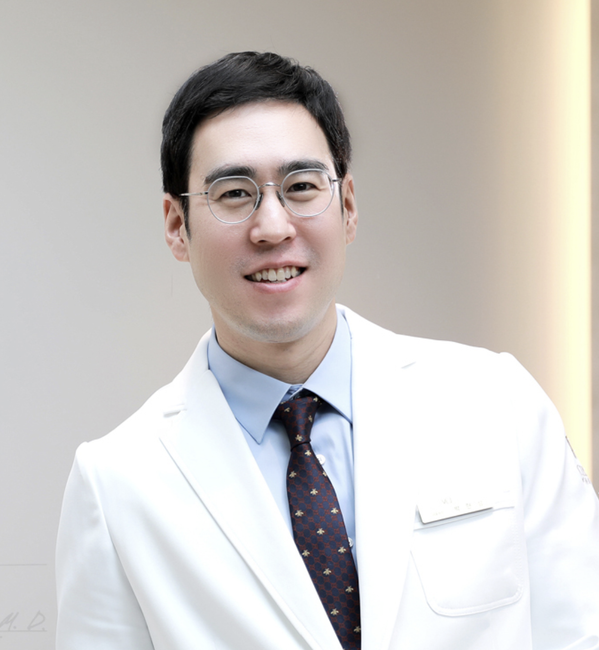
A health checkup for foreigners in Korea at VEI Clinic in Apgujeong, Gangnam starts with a 1:1 English consultation with Dr. HyunSung Park, an internal medicine specialist. Tests are chosen around your age, history and concerns, typically blood work, ultrasound and body composition, and the results are reviewed with you in English rather than handed over as a report.
How a health checkup for foreigners in Korea works at VEI
Korea is known for its health screening culture, and many foreigners want a health checkup for foreigners in Korea while they live or travel here. At VEI Clinic, the checkup begins with a conversation: your medical history, family history, medicines, lifestyle and any specific worries. Dr. HyunSung Park, a board-certified internal medicine specialist and gastroenterology subspecialist, then recommends tests that make sense for you.
That might be a focused set of blood tests and a blood pressure check for a healthy 30-year-old, or a broader panel with ultrasound and hormone testing for someone in their fifties with a family history of diabetes or thyroid disease. The goal is useful information, not the longest possible list.
Checkup options we can include
For executives or anyone who wants a more extensive review, an executive health format combines more of these into a single structured visit.
- Blood tests: blood count, liver and kidney function, blood sugar and HbA1c, cholesterol
- Thyroid function tests and thyroid ultrasound
- Abdominal ultrasound, for example to look at the liver, gallbladder and kidneys
- Hepatitis B and H. pylori testing
- Hormone tests and vitamin D or other nutritional markers
- Body composition analysis
- Optional functional tests such as food sensitivity, gut microbiome or biological-age markers, discussed with honest caveats about what they can and cannot tell you
Preparing for your checkup
Many blood tests, particularly blood sugar and cholesterol, are most accurate after fasting. If your checkup includes them, you will usually be asked not to eat for about 8 to 12 hours beforehand. Water is generally fine. Abdominal ultrasound is also clearer on an empty stomach.
Take your regular medicines as normal unless the doctor tells you otherwise, and let us know in advance if you have diabetes, since fasting can affect blood sugar. Bring a list of medications, previous results if you have them and your ARC if you are enrolled in national health insurance, or your passport if not.
How this differs from a big-hospital checkup package
University hospitals in Seoul run large health screening centers with fixed packages, often including endoscopy, CT scans and dozens of tests in one morning. These can be excellent, particularly if you need endoscopy, which we do not perform. However, packages are standardized, waiting lists can be long and results often arrive as a lengthy report with limited time to discuss them.
A clinic checkup is narrower but more personal. You see the same doctor before and after, the tests are chosen for a reason and you go through the results together in English. If something needs further investigation, such as endoscopy, colonoscopy or CT, we can refer you to a hospital and explain why.
Understanding your results
A checkup is only as useful as the conversation afterward. At the results review, Dr. Park goes through each finding in plain English: what is normal, what is borderline and what, if anything, needs action. Borderline results are common and often mean repeating a test later or adjusting diet and activity rather than starting medicine.
You will leave with a clear plan, whether that is nothing more than a repeat check next year, a lifestyle change to try before re-testing, a prescription, or a referral to a hospital for further investigation. If you are moving on from Korea, ask for copies of your results to take to your next doctor.
Who should book, and the limits of a checkup
A clinic checkup suits people who have not had a general check in a while, expats who want a baseline after moving to Korea, and anyone managing risk factors such as weight, blood pressure or family history.
A checkup is for people who feel well. If you currently have worrying symptoms, such as unexplained weight loss, blood in your stool, persistent abdominal pain or difficulty swallowing, book a regular consultation so they can be investigated directly. If you have chest pain, breathing difficulty or stroke symptoms, call 119.
How it works
Pre-checkup consultation
Discuss your history and goals with Dr. Park in English and agree on the tests.
Prepare and fast
Follow the fasting instructions you receive, usually from the night before.
Tests on the day
Blood is drawn and ultrasound or body composition done as planned.
Results review
Go through the results with the doctor in English and agree on next steps.
Dr. HyunSung Park
Medical Director · Internal Medicine Specialist · Consults in English & Korean
- Board-certified in internal medicine
- Gastroenterology subspecialist
- ECFMG certified (U.S.)
- Graduate, State University of New York
- Former Clinical Professor, Dongguk Univ. Ilsan Hospital
- Treating patients in Korea since 2010
Related care
Common questions
Can I get a health checkup for foreigners in Korea without national insurance?
Yes. Visitors and people not yet enrolled in national health insurance can book a checkup and pay directly. We explain the cost of each component before testing, so you can choose what to include.
Will my results be in English?
The doctor reviews your results with you in English and explains what each one means. If you need written results in English, for example for a doctor at home, ask and we will tell you what we can provide.
Do you include endoscopy?
No. VEI Clinic does not perform endoscopy or colonoscopy. If screening is appropriate for your age or symptoms, we can refer you to a hospital and help you understand the process.
Is this the same as the free NHIS national screening?
No. Korea's national health screening program is a separate benefit for eligible insured people, done at designated institutions. Our clinic checkup is a private, tailored assessment. Check with NHIS about your own eligibility for the national program.
How long does the checkup take?
It depends on the tests chosen. A focused blood test visit can be short, while a visit with ultrasound and several components takes longer. Lab results are usually reviewed at a follow-up once they are ready.
Can I do a checkup on a short visit to Korea?
Yes, if you plan the timing. Book the visit early in your trip so results are back and reviewed before you fly. Some results are ready within a few days.
This page is general information reviewed by a physician and is not a substitute for a personal consultation. Treatment suitability, benefits and risks differ for each person and are discussed with you before any care. In an emergency in Korea, call 119.
Questions about health checkup for foreigners in korea? Ask us.
Send a message and we'll reply on WhatsApp in English, usually the same day. WhatsApp: +82-10-5700-7597