
Fatty liver clinic in Seoul: MASLD, explained and managed
Fatty liver is common, often silent and usually improvable. The key is knowing how much of a problem it is for you and what will move the needle.
3F, 162 Apgujeong-ro, Gangnam-gu
Apgujeong Station (Line 3), Exit 5 · 1 min walk
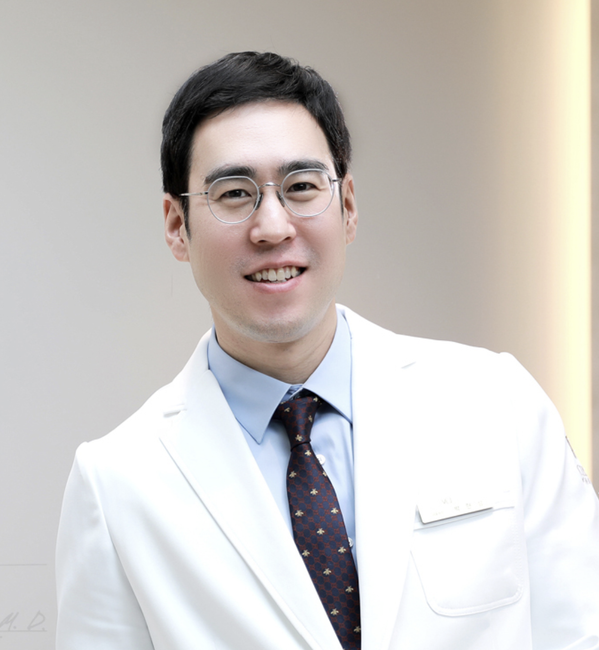
VEI Clinic in Apgujeong, Gangnam, runs a fatty liver clinic in Seoul for MASLD, the new name for NAFLD. Dr. HyunSung Park, an internal medicine and gastroenterology specialist, checks liver enzymes, performs an abdominal ultrasound, estimates fibrosis risk and builds a weight and metabolic plan, with English consultations and regular follow-up.
What our fatty liver clinic in Seoul looks at
Many people are told "you have fatty liver" after a checkup ultrasound and then hear nothing more. Our fatty liver clinic in Seoul exists to answer the questions that follow: how much fat is there, is the liver inflamed or scarred, what is causing it, and what should you do now.
Dr. HyunSung Park is a gastroenterology subspecialist, so the liver is familiar territory. The first visit combines a careful history, blood tests and an abdominal ultrasound so that you leave with a clear picture rather than a vague warning.
MASLD: why the name changed
In 2023, international liver societies renamed non-alcoholic fatty liver disease (NAFLD) as metabolic dysfunction-associated steatotic liver disease (MASLD). The new name describes what usually drives it: excess liver fat together with at least one metabolic risk factor such as a large waist, raised blood sugar, high blood pressure, high triglycerides or low HDL cholesterol.
The inflamed, more active form, previously called NASH, is now called MASH. People who have metabolic risk factors and also drink more than light amounts of alcohol fall into a combined category called MetALD. The labels matter because they point to the treatment: fixing the metabolic drivers.
Tests we use
If your fibrosis score is intermediate or high, we can refer you to a hospital for elastography (such as FibroScan) or specialist hepatology review.
- Liver enzymes: ALT, AST and GGT. Mildly raised ALT is typical, but normal enzymes do not rule out fatty liver.
- Abdominal ultrasound: shows liver fat and checks the gallbladder, bile ducts, pancreas, spleen and kidneys.
- Metabolic labs: HbA1c, fasting glucose, cholesterol and triglycerides.
- Fibrosis risk score: FIB-4, calculated from age, AST, ALT and platelet count, helps decide who needs further scarring assessment.
- Rule-outs: hepatitis B and C, which matter in Korea, plus medication and supplement review.
The weight and metabolic plan
Liver fat responds to weight loss more than to any supplement. Research suggests that losing around 5% of body weight reduces liver fat, and 7–10% can improve inflammation and sometimes early scarring. Slow, steady loss is safer than crash dieting, which can occasionally worsen liver inflammation.
Practical targets usually include fewer sugary drinks and fructose-heavy snacks, smaller portions of refined carbohydrates, more vegetables and protein, regular aerobic and resistance exercise, and cutting back on alcohol. Coffee, in moderation, has been associated with better liver outcomes in studies.
When obesity or diabetes is present, Dr. Park may discuss GLP-1-based medications such as semaglutide or tirzepatide, which can help with weight and blood sugar; their side effects and contraindications are reviewed before starting. Some medicines are now approved in certain countries specifically for MASH with significant fibrosis, and a referral can be arranged if that becomes relevant. Liver-support IV drips are not a substitute for this plan, and their evidence is limited.
Who needs closer follow-up
Most people with fatty liver need a yearly review of labs and risk factors. Closer follow-up and possible hospital referral are advised if your FIB-4 score is intermediate or high, your platelets are low, your liver looks irregular or the spleen is enlarged on ultrasound, or you have type 2 diabetes together with obesity, since that combination raises the chance of scarring.
People who also have hepatitis B, drink heavily or take medications that affect the liver need an individualized plan. If you are pregnant or planning pregnancy, some weight loss medicines are not suitable, and the plan focuses on diet and activity. Fatty liver is also a cardiovascular risk marker, so blood pressure and cholesterol are part of every review, not an afterthought.
Who should be checked, and red flags
Consider an assessment if you have type 2 diabetes or prediabetes, central weight gain, high triglycerides, a raised ALT on a checkup, or a fatty liver note on a previous ultrasound. Lean people can have MASLD too, which is not unusual in Korea.
Fatty liver itself rarely causes symptoms. Seek prompt care for yellowing of the skin or eyes, dark urine, pale stools, persistent pain in the upper right abdomen or easy bruising. Go to an ER or call 119 in Korea if you vomit blood, pass black or tarry stools, develop confusion or severe drowsiness, or notice rapid swelling of the abdomen with shortness of breath.
How it works
History and labs
We review alcohol, medications, supplements and metabolic history, then draw blood.
Ultrasound
Dr. Park performs an abdominal ultrasound to assess liver fat and nearby organs.
Risk and plan
You get your fibrosis risk estimate and a personalized weight and metabolic plan.
Follow-up
Repeat labs and, when useful, ultrasound track progress over months.
Dr. HyunSung Park
Medical Director · Internal Medicine Specialist · Consults in English & Korean
- Board-certified in internal medicine
- Gastroenterology subspecialist
- ECFMG certified (U.S.)
- Graduate, State University of New York
- Former Clinical Professor, Dongguk Univ. Ilsan Hospital
- Treating patients in Korea since 2010
Related care
Common questions
Is fatty liver dangerous?
For most people it is a slow condition, but in some it progresses to inflammation, scarring and, rarely, cirrhosis or liver cancer. It also signals higher cardiovascular risk. Checking fibrosis risk tells us how closely you need to be followed.
What does a fatty liver clinic in Seoul offer that a checkup does not?
A checkup usually reports that fat is present. A dedicated visit adds context: metabolic labs, hepatitis screening, a fibrosis risk score, a doctor's interpretation of the ultrasound and a concrete plan with follow-up dates.
Can fatty liver go away?
Liver fat often decreases substantially with weight loss, less alcohol and better blood sugar control. Early scarring may also improve. Advanced scarring is harder to reverse, which is why early assessment matters.
I am slim. Why do I have fatty liver?
Lean MASLD is well recognized, particularly in Asian populations. Genetics, visceral fat, insulin resistance, diet composition and alcohol can all contribute. The same tests and lifestyle principles apply.
Should I stop drinking completely?
If you have fatty liver, less is better, and people with scarring are usually advised to avoid alcohol entirely. Dr. Park will give advice based on your enzymes, fibrosis risk and overall health.
Do liver detox supplements or IV drips help?
There is no reliable evidence that detox products reverse fatty liver, and some herbal supplements can actually injure the liver. Weight loss and metabolic control remain the evidence-based approach.
This page is general information reviewed by a physician and is not a substitute for a personal consultation. Treatment suitability, benefits and risks differ for each person and are discussed with you before any care. In an emergency in Korea, call 119.
Questions about fatty liver clinic seoul? Ask us.
Send a message and we'll reply on WhatsApp in English, usually the same day. WhatsApp: +82-10-5700-7597