
Prediabetes clinic in Seoul: catch it early, turn it around
Prediabetes is a warning light, not a verdict. With the right tests and a realistic plan, many people move their blood sugar back into the normal range.
3F, 162 Apgujeong-ro, Gangnam-gu
Apgujeong Station (Line 3), Exit 5 · 1 min walk
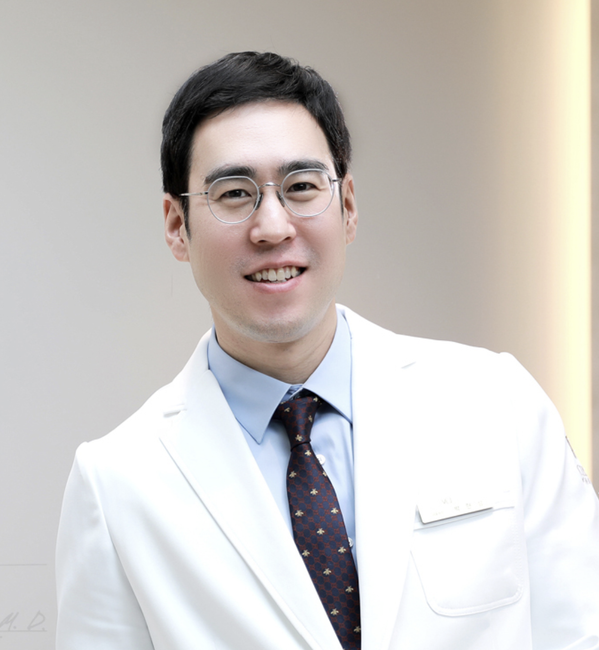
VEI Clinic is a prediabetes clinic in Seoul's Apgujeong area, Gangnam. Dr. HyunSung Park, a board-certified internal medicine specialist, confirms prediabetes with HbA1c (5.7–6.4%) and fasting glucose (100–125 mg/dL), checks related risks such as cholesterol and fatty liver, then builds a practical plan in English to bring your numbers back toward normal.
What a prediabetes clinic in Seoul actually does
Prediabetes means your blood sugar is higher than normal but not yet in the diabetes range. It usually causes no symptoms, so most people discover it on a routine checkup or an employer health screening. At our prediabetes clinic in Seoul, the goal is simple: confirm the diagnosis properly, find out what is driving it, and give you a plan you can actually follow.
Dr. HyunSung Park reviews your results with you in English, explains what each number means for you specifically, and sets a target and a date to retest. Many expats bring Korean checkup reports they cannot fully read; we can go through those line by line.
The numbers that define prediabetes
Doctors in Korea and internationally use the same core cutoffs. One abnormal result is a signal; a repeat test or a second, different test helps confirm it.
- HbA1c 5.7–6.4%: your average blood sugar over roughly the past three months. 6.5% or above suggests diabetes.
- Fasting plasma glucose 100–125 mg/dL after at least 8 hours without food. 126 mg/dL or above suggests diabetes.
- Two-hour oral glucose tolerance test 140–199 mg/dL, used when the picture is unclear.
- Supporting tests: cholesterol and triglycerides, liver enzymes, kidney function, blood pressure, waist size and sometimes fasting insulin.
Your reversal plan, step by step
Large studies such as the U.S. Diabetes Prevention Program showed that losing around 5–7% of body weight and doing about 150 minutes a week of brisk activity substantially lowered the chance of progressing to type 2 diabetes. That is the backbone of our approach, adapted to life in Seoul.
In practice that often means rethinking white rice and noodle portions, late-night chimaek and convenience-store snacks, sweet coffee drinks, and long sitting hours. Short walks after meals are surprisingly effective at blunting glucose spikes. Sleep and stress matter too: poor sleep makes insulin work less well.
For some people, medication is reasonable. Metformin may be considered when risk is high, for example with a high BMI or a history of gestational diabetes. When obesity is part of the picture, Dr. Park can discuss medical weight loss options such as semaglutide or tirzepatide, including their side effects and who should not use them. Medication supports lifestyle change; it does not replace it.
Who should get checked, and who needs a different pathway
Testing makes sense if you are over 35, carry extra weight around the middle, have a parent or sibling with type 2 diabetes, had diabetes in pregnancy, have high blood pressure or cholesterol, or have been told you have fatty liver. People of East and South Asian ancestry can develop insulin resistance at lower body weights, so a normal BMI does not rule it out.
If your results are already in the diabetes range, or you are pregnant, the plan is different and follow-up is closer. People with type 1 diabetes in the family, rapid weight loss or very high readings need prompt evaluation rather than a lifestyle-only plan.
Living in Seoul with prediabetes: practical swaps
Small, repeatable changes beat dramatic diets. Many patients find it easier to change how they eat Korean food than to stop eating it.
Long-term success usually comes from two or three habits you keep, not ten you abandon after a month. We review which ones are working at each retest.
- Ask for half rice (반공기) or swap some white rice for multigrain rice (japgokbap).
- Start meals with banchan vegetables and protein before the rice or noodles.
- Choose unsweetened Americano or tea over syrup-based lattes and fruit smoothies.
- Use stairs at subway stations and take a 10–15 minute walk after lunch and dinner.
- Keep evening drinking and late delivery food for occasional, not routine, nights.
Red flags: when it is not 'just prediabetes'
Prediabetes itself is silent. If you notice symptoms, your sugar may already be higher than you think. Book a prompt visit if you have strong thirst, frequent urination, unexplained weight loss, blurred vision or slow-healing wounds.
Go to an emergency room or call 119 in Korea if you have vomiting with deep or rapid breathing, confusion or extreme drowsiness, a fruity smell on the breath, or signs of severe dehydration. These can signal a dangerous high-sugar emergency. Chest pain, sudden weakness on one side or trouble speaking also need emergency care.
How it works
Review and test
Bring any previous checkup reports; we order HbA1c, fasting glucose and related labs as needed.
Explain the results
Dr. Park walks you through your numbers and overall metabolic risk in English.
Set the plan
You leave with specific food, activity and, if appropriate, medication steps.
Retest and adjust
We usually recheck in about three months to see what is working.
Dr. HyunSung Park
Medical Director · Internal Medicine Specialist · Consults in English & Korean
- Board-certified in internal medicine
- Gastroenterology subspecialist
- ECFMG certified (U.S.)
- Graduate, State University of New York
- Former Clinical Professor, Dongguk Univ. Ilsan Hospital
- Treating patients in Korea since 2010
Related care
Common questions
Can prediabetes be reversed?
In many people, yes. Weight loss, regular activity and better sleep can bring HbA1c and fasting glucose back into the normal range, especially when changes start early. It is not guaranteed for everyone, and the tendency can return if habits slip, so periodic retesting is wise.
Do I need to fast before a prediabetes test?
For fasting glucose, yes: no food or caloric drinks for at least 8 hours, though water is fine. HbA1c does not require fasting. We often do both together in the morning so one visit covers everything.
Is a prediabetes clinic in Seoul different from a regular checkup?
A checkup flags the number; a prediabetes clinic visit focuses on what to do next. That means confirming the diagnosis, looking for related issues like fatty liver or high triglycerides, and setting a plan with a retest date.
Why is my HbA1c high when my fasting glucose is normal?
The two tests measure different things, and they do not always agree. HbA1c can also be affected by anemia, some hemoglobin variants and recent blood loss. If the results conflict, an oral glucose tolerance test or a repeat test can clarify things.
Should I take medication for prediabetes?
Most people start with lifestyle changes. Metformin or weight loss medication may be discussed if your risk is high or progress stalls. Dr. Park will explain the benefits, side effects and costs before you decide.
Will national health insurance cover the tests?
It depends on your insurance status and why the tests are ordered. Some diagnostic blood work can be covered for enrolled patients, while wellness-style panels usually are not. We tell you the full price before any testing.
This page is general information reviewed by a physician and is not a substitute for a personal consultation. Treatment suitability, benefits and risks differ for each person and are discussed with you before any care. In an emergency in Korea, call 119.
Questions about prediabetes clinic seoul? Ask us.
Send a message and we'll reply on WhatsApp in English, usually the same day. WhatsApp: +82-10-5700-7597