
Food poisoning doctor in Seoul: rehydrate, recover, return to your trip
Most food poisoning settles in one to three days. The priority is fluids, rest and knowing which symptoms need more than that.
3F, 162 Apgujeong-ro, Gangnam-gu
Apgujeong Station (Line 3), Exit 5 · 1 min walk
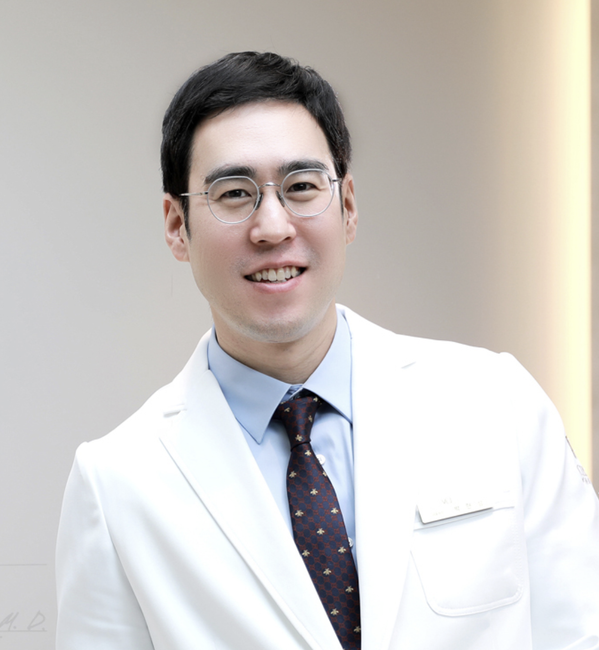
For a food poisoning doctor in Seoul, VEI Clinic in Apgujeong, Gangnam, sees travelers and residents with diarrhea and vomiting, in English and with walk-ins welcome. Dr. HyunSung Park checks for dehydration, gives IV fluids when appropriate, orders stool tests if needed, uses antibiotics only when truly indicated and screens for red flags needing hospital care.
What a food poisoning doctor in Seoul can do for you
Food poisoning and traveler's diarrhea are usually caused by viruses such as norovirus, or bacteria and their toxins, picked up from contaminated food or water. Raw shellfish, undercooked meat, buffets, food left out too long and unfamiliar street food are frequent culprits. Symptoms typically include watery diarrhea, nausea, vomiting, cramps and sometimes a mild fever.
Seeing a food poisoning doctor in Seoul helps when you cannot keep fluids down, feel weak or dizzy, have a flight or meeting coming up, or simply want reassurance that it is nothing more serious. At VEI Clinic, Dr. HyunSung Park examines you, judges your hydration and decides whether you need medicine, tests or a hospital.
Hydration and IV fluids
Replacing water and salts is the most important treatment. Oral rehydration solution, available at Korean pharmacies, works better than plain water or sports drinks for significant diarrhea. Small, frequent sips help when you feel nauseated.
IV fluids are appropriate when you are vomiting too much to drink, show signs of moderate dehydration, or feel faint. A hydration drip can restore fluids and electrolytes faster, and anti-nausea medication can be added when suitable. IV fluids are not needed for mild illness, and we will tell you honestly if oral fluids are enough.
Stool tests and when antibiotics make sense
Most cases need no tests. A stool test is useful if you have bloody diarrhea, high fever, severe illness, symptoms lasting more than about a week, recent antibiotic use, a weakened immune system, or a job handling food or caring for others.
Antibiotics do not help viral gastroenteritis and can cause side effects or, with some bacteria, make things worse. They may be considered for moderate to severe traveler's diarrhea, dysentery with fever and bloody stools, or specific infections found on testing. Loperamide can ease mild watery diarrhea but should be avoided if you have fever or blood in the stool.
- Eat bland foods as you feel ready; there is no need to starve.
- Avoid alcohol, very fatty food and lots of caffeine for a day or two.
- Wash hands carefully; norovirus spreads easily in hotels and shared homes.
Who needs a different level of care
Pregnant people, older adults, infants and young children, and anyone with kidney disease, diabetes, heart disease or a weakened immune system dehydrate more easily and deserve an earlier medical review. VEI Clinic sees adults; for small children, a pediatric clinic or hospital is the right place.
If you suspect you ate puffer fish, wild mushrooms or other potentially toxic food, or symptoms began with tingling, weakness, double vision or difficulty swallowing, do not wait for a clinic appointment.
Common triggers for visitors to Korea
Korea has high food safety standards, and most travelers eat very well without trouble. Illness still happens, and the pattern often gives a clue to the cause.
Symptoms starting within a few hours of eating, with prominent vomiting, often point to a pre-formed bacterial toxin, for example from rice or pastries left at room temperature. Symptoms beginning one to three days later, with diarrhea and sometimes fever, suggest an infection. If several people from the same meal fall ill, tell us what you shared.
- Raw oysters and other shellfish, especially in winter norovirus season.
- Raw beef dishes such as yukhoe, and undercooked chicken or eggs.
- Raw fish and marinated raw crab (ganjang gejang) for sensitive stomachs.
- Lunch boxes, kimbap and buffet food kept warm or out for hours in summer.
Red flags: go to the ER or call 119
Call 119 in Korea or go to an emergency room for: signs of severe dehydration such as very little or no urine, confusion, a racing heart or fainting; vomiting blood or green bile; inability to keep any fluids down for many hours; severe or constant abdominal pain; high fever with bloody diarrhea; a stiff neck; muscle weakness, blurred or double vision or trouble breathing after eating; or symptoms after eating wild mushrooms or puffer fish.
How it works
Walk in or message
Message us on WhatsApp (+82-10-5700-7597), or come in during opening hours.
Assess
History, vital signs and a hydration check by Dr. Park.
Treat
Oral rehydration advice, IV fluids or medication as appropriate.
Plan ahead
Clear guidance on eating, travel and when to come back.
Dr. HyunSung Park
Medical Director · Internal Medicine Specialist · Consults in English & Korean
- Board-certified in internal medicine
- Gastroenterology subspecialist
- ECFMG certified (U.S.)
- Graduate, State University of New York
- Former Clinical Professor, Dongguk Univ. Ilsan Hospital
- Treating patients in Korea since 2010
Related care
Common questions
Do I need an appointment to see a food poisoning doctor in Seoul?
Walk-ins are welcome at VEI Clinic during opening hours, though a quick WhatsApp message helps us prepare. If you are very unwell outside our hours, go to a hospital emergency room.
How long does food poisoning last?
Most cases improve within 24 to 72 hours. Norovirus often settles in one to three days. Diarrhea lasting more than a week, or getting worse instead of better, should be checked.
Will an IV drip make me recover faster?
If you are dehydrated, IV fluids can make you feel better quickly by restoring fluids and electrolytes. They do not kill the infection, and mild cases recover just as well with oral rehydration.
Should I take antibiotics I brought from home?
Please ask first. Antibiotics are only helpful in certain situations, and the wrong one can cause side effects or interact with other medicines. Dr. Park can advise whether treatment is warranted.
Can I fly with food poisoning?
If you are keeping fluids down and not severely dehydrated, many people can fly with precautions. If you are vomiting repeatedly, very weak or have a fever, flying is uncomfortable and risky; get assessed first.
Can I get a medical note for travel insurance or work?
Yes, a medical certificate or receipt for your visit can be issued on request. Requirements vary by insurer, so check what your policy needs.
This page is general information reviewed by a physician and is not a substitute for a personal consultation. Treatment suitability, benefits and risks differ for each person and are discussed with you before any care. In an emergency in Korea, call 119.
Questions about food poisoning doctor seoul? Ask us.
Send a message and we'll reply on WhatsApp in English, usually the same day. WhatsApp: +82-10-5700-7597