
Hashimoto's doctor in Seoul: steady thyroid care in English
Hashimoto's is a lifelong condition, but with the right dose and regular checks most people feel well and live normally.
3F, 162 Apgujeong-ro, Gangnam-gu
Apgujeong Station (Line 3), Exit 5 · 1 min walk
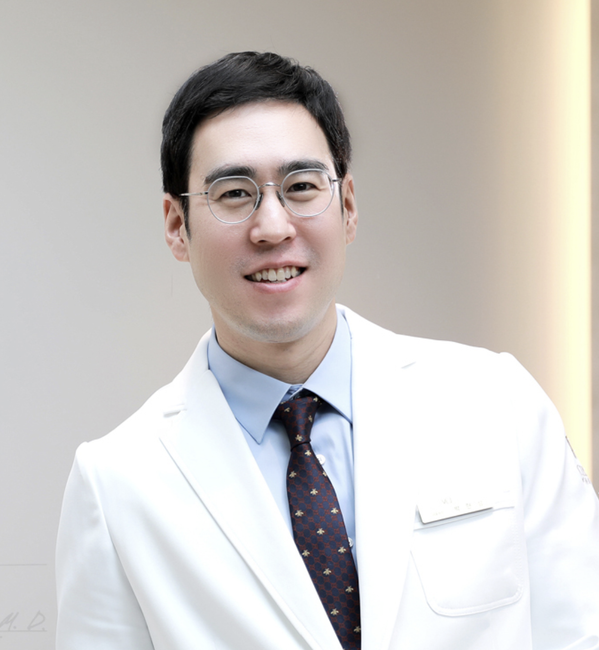
For a Hashimoto's doctor in Seoul, VEI Clinic in Apgujeong, Gangnam, offers English consultations with Dr. HyunSung Park, a board-certified internist. He diagnoses Hashimoto's thyroiditis and hypothyroidism with TSH, free T4 and anti-TPO antibodies, starts and adjusts levothyroxine when needed, and monitors your levels over time.
Why see a Hashimoto's doctor in Seoul
Hashimoto's thyroiditis is an autoimmune condition in which the immune system gradually damages the thyroid. It is the most common cause of hypothyroidism (an underactive thyroid) in places with adequate iodine, and it is much more common in women. Many people have the antibodies for years before thyroid hormone levels fall.
Expats often arrive in Korea already diagnosed and need someone to continue their care, check their levels and renew prescriptions. Others are newly told they have high TSH on a Korean checkup. As a Hashimoto's doctor in Seoul, Dr. HyunSung Park offers both: a careful first assessment and steady, English-language follow-up.
Symptoms of hypothyroidism
These symptoms are common and nonspecific, which is why blood tests, not symptoms alone, confirm the diagnosis.
- Tiredness and sluggishness
- Feeling cold when others are comfortable
- Weight gain or difficulty losing weight
- Constipation, dry skin, hair thinning
- Low mood, poor concentration, "brain fog"
- Heavier or irregular periods, fertility problems
- A swollen thyroid (goiter) or a feeling of fullness in the neck
Tests: TSH, free T4 and anti-TPO
TSH is the most sensitive screening test; a high TSH means the pituitary is pushing a struggling thyroid. Free T4 shows how much active hormone is circulating. A high TSH with low free T4 is overt hypothyroidism; a high TSH with normal free T4 is subclinical hypothyroidism. Anti-TPO antibodies confirm the autoimmune Hashimoto's process.
A thyroid ultrasound can show the typical patchy pattern of Hashimoto's and check for nodules. Because Korean diets can be very high in iodine from seaweed, excess iodine can also influence thyroid function, and we ask about it. Biotin supplements can distort some thyroid lab results, so stop them for a few days before testing.
Levothyroxine treatment and monitoring
Overt hypothyroidism is treated with levothyroxine, a synthetic form of T4. Take it on an empty stomach with water, usually 30–60 minutes before breakfast, and keep it apart from iron, calcium, coffee and soy by several hours. Consistency matters more than the exact time.
Dose is based on weight, age, heart health and TSH. TSH is rechecked about six to eight weeks after starting or changing the dose, then every six to twelve months once stable. Subclinical hypothyroidism is treated selectively, depending on TSH level, symptoms, age and pregnancy plans.
Who needs extra care: people with heart disease and older adults start on lower doses. Pregnancy usually requires a dose increase early on, so tell us as soon as you are pregnant or planning. Over-treatment can cause palpitations, anxiety and, over years, bone loss, so we aim for the right dose, not the highest. Selenium, gluten-free diets and combination T3 therapy have limited or mixed evidence and are discussed honestly if you are interested.
If you travel often or split time between Korea and another country, plan refills ahead and keep a copy of your latest results; levothyroxine should not be stopped abruptly because you ran out.
Related conditions worth checking
Autoimmune conditions tend to cluster. People with Hashimoto's have a higher chance of developing other autoimmune problems, including pernicious anemia (low B12), celiac disease, type 1 diabetes, vitiligo and, less commonly, adrenal insufficiency. Not everyone needs testing for all of these, but new symptoms such as tingling, unexplained anemia, persistent diarrhea or increasing fatigue should prompt a look.
Hashimoto's also overlaps with fertility and heart health. Untreated hypothyroidism can raise LDL cholesterol and affect menstrual cycles and ovulation, while thyroid antibodies in early pregnancy are linked with closer monitoring. Iron deficiency is common in women with thyroid disease and can blunt how well you feel even when TSH is on target, so ferritin is a useful addition to periodic blood work.
Red flags
Book a prompt visit if you develop palpitations, tremor or weight loss on treatment, a rapidly enlarging or painful thyroid, or worsening symptoms despite taking your medicine.
Go to an ER or call 119 in Korea for severe drowsiness or confusion, very low body temperature, slow breathing or a very slow heart rate, which can signal myxedema crisis, a rare emergency in untreated severe hypothyroidism. Chest pain, a racing irregular heartbeat or trouble breathing also need emergency care.
How it works
History and records
Bring past results and your current dose if already diagnosed.
Blood tests
TSH, free T4 and anti-TPO, plus ultrasound if indicated.
Treatment plan
Start, adjust or continue levothyroxine with clear instructions.
Monitor
Recheck TSH at 6–8 weeks after changes, then regularly.
Dr. HyunSung Park
Medical Director · Internal Medicine Specialist · Consults in English & Korean
- Board-certified in internal medicine
- Gastroenterology subspecialist
- ECFMG certified (U.S.)
- Graduate, State University of New York
- Former Clinical Professor, Dongguk Univ. Ilsan Hospital
- Treating patients in Korea since 2010
Related care
Common questions
Can a Hashimoto's doctor in Seoul continue my prescription from home?
Yes, in most cases. Bring your prescription or packaging and recent lab results. Dr. Park will check your current levels and prescribe an equivalent levothyroxine dose available in Korea.
Does Hashimoto's always need medication?
No. If TSH and free T4 are normal, positive antibodies alone usually only need periodic monitoring. Treatment starts when hormone levels fall or in specific situations such as pregnancy.
Is levothyroxine in Korea the same as at home?
The active ingredient is the same, but brands and tablet strengths can differ. Switching brands can slightly change absorption, so we recheck TSH after any change.
Should I avoid seaweed or gluten?
Very large amounts of seaweed can affect thyroid function, so moderation is sensible. A gluten-free diet is necessary if you also have celiac disease, but evidence that it helps Hashimoto's otherwise is limited.
Why do I still feel tired when my TSH is normal?
Fatigue has many causes, including iron or B12 deficiency, poor sleep, depression or another autoimmune condition. We look for these before assuming the thyroid dose is wrong. A short trial of a dose adjustment is sometimes reasonable, but only with careful TSH monitoring.
I'm pregnant and have Hashimoto's. What should I do?
Contact your doctor promptly. Thyroid hormone needs usually rise early in pregnancy, and TSH should be checked frequently. Coordination with your obstetrician is important.
This page is general information reviewed by a physician and is not a substitute for a personal consultation. Treatment suitability, benefits and risks differ for each person and are discussed with you before any care. In an emergency in Korea, call 119.
Questions about hashimoto's doctor seoul? Ask us.
Send a message and we'll reply on WhatsApp in English, usually the same day. WhatsApp: +82-10-5700-7597