
Stem cell therapy cost in Korea: what shapes it
Cost is only meaningful once you know whether a treatment is lawful, suitable for you and supported by evidence. Here is how to think it through.
3F, 162 Apgujeong-ro, Gangnam-gu
Apgujeong Station (Line 3), Exit 5 · 1 min walk
Stem cell therapy cost in Korea depends on the cell source, how cells are processed, the legal pathway the treatment falls under, the number of sessions and the tests needed first. At VEI Clinic in Apgujeong, Gangnam, Dr. HyunSung Park assesses suitability in a consultation before any program is discussed or priced.
Why stem cell therapy cost in Korea varies so widely
Search for stem cell therapy cost in Korea and you will see very different figures. That is because "stem cell therapy" is not one treatment. It can mean an approved cell therapy product used for a specific indication, a treatment given under Korea's regenerative medicine law at a designated institution, or a procedure using your own minimally processed tissue. Each has different steps, regulation and costs.
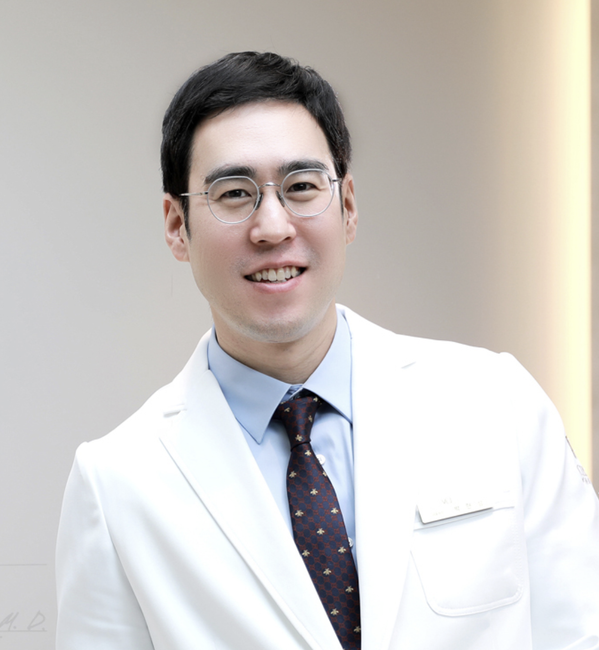
At VEI Clinic, stem cell programs are consultation-based. Dr. HyunSung Park, an internal medicine specialist and ISSCR member, first reviews your diagnosis, records and goals, explains what the evidence does and does not show, and tells you whether any option is appropriate. A price is discussed only after that, and in full before anything begins.
That order matters. If a treatment is not lawful for your situation, or the evidence for your condition is weak, the price is irrelevant. Starting with suitability protects both your health and your money.
It also helps to separate stem cell treatments from products marketed with stem cell language, such as some skin creams, supplements or so-called stem cell IV drips. These often contain no living stem cells at all, and their price tells you nothing about whether they work.
The five main factors behind the price
When you compare quotes, compare these elements one by one rather than the headline figure. A lower price may reflect fewer tests, less monitoring or a pathway with less oversight, none of which are savings worth having.
- Cell source: cells from your own body (autologous), such as fat or bone marrow, require a harvesting procedure; donor-derived (allogeneic) products have their own sourcing and quality costs
- Processing: minimal processing is simpler; cells that are cultured and expanded in a licensed facility involve laboratory time, quality testing and storage
- Regulatory pathway: an approved product, a plan approved under the Advanced Regenerative Bio Act, or another route each carries different documentation, review and monitoring requirements
- Number of sessions: some protocols involve one administration, others several, plus follow-up visits
- Tests: blood tests, imaging and infection screening before treatment, and monitoring afterwards, add to the overall cost
Insurance and what is usually included
Regenerative and stem cell treatments for wellness or anti-aging goals are not covered by Korea's National Health Insurance Service, and most travel and expat insurers exclude them. Assume you will pay the full cost yourself unless your insurer confirms otherwise in writing.
Before agreeing to any program, ask for a written breakdown: consultation, pre-treatment tests, harvesting if needed, processing, each administration, medicines and follow-up. Ask what happens if tests show you are not suitable partway through, and what is refundable.
Also budget for practical costs if you are traveling: extra nights in Seoul for tests and recovery, a possible return visit for follow-up, and translation of your records if they are not in English or Korean.
Keep copies of every document you receive, including the approval information for the treatment and the laboratory's details, in case you need follow-up care at home.
Red flags: clinics that promise cures
International stem cell research organizations, including the ISSCR, warn patients about clinics selling unproven stem cell treatments directly to the public. Be very cautious if a clinic:
- Promises to cure or reverse a disease, or claims results for many unrelated conditions
- Shows testimonials instead of published evidence
- Cannot explain which legal pathway the treatment uses or show its approval
- Pressures you to pay a large deposit quickly or before seeing a doctor
- Advises you to stop your current medical treatment
Who may be suitable, and who should not proceed
Some adults with a clearly defined condition, up-to-date records and realistic expectations may be candidates for discussion, especially where an approved product or approved plan exists for that condition. Others are better served by established treatments.
Stem cell procedures are generally not appropriate for people with active cancer or a recent cancer history without specialist input, active infection, uncontrolled bleeding disorders, pregnancy, or unrealistic expectations. Serious conditions should remain under the care of your specialist. Possible risks include infection, pain at the harvest or injection site, immune reactions and, with poorly regulated products, more serious complications.
If you develop fever, spreading redness, severe pain or breathing difficulty after any cell-based procedure, seek urgent medical care; in Korea, call 119.
A consultation that ends with the advice not to proceed is still a useful result. It can save you a significant sum and point you toward treatments with stronger evidence.
How it works
Send your records
Share your diagnosis, recent tests and current treatment so the doctor can prepare.
Consultation
Dr. Park discusses evidence, legal status, risks and whether any option suits you.
Tests if relevant
Pre-treatment tests confirm or rule out suitability before any commitment.
Written plan and price
If an option is appropriate, you receive the full plan and total cost in writing.
Dr. HyunSung Park
Medical Director · Internal Medicine Specialist · Consults in English & Korean
- Board-certified in internal medicine
- Gastroenterology subspecialist
- ECFMG certified (U.S.)
- Graduate, State University of New York
- Former Clinical Professor, Dongguk Univ. Ilsan Hospital
- Treating patients in Korea since 2010
Related care
Common questions
How much does stem cell therapy cost in Korea?
There is no single price because the cell source, processing, legal pathway, number of sessions and tests all differ. VEI Clinic gives a full written quote only after a consultation confirms that an option is appropriate for you.
Why is stem cell therapy so expensive?
Cultured cells need licensed laboratory processing, quality testing and documentation, and regulated pathways require monitoring and follow-up. Harvesting procedures and pre-treatment tests add further costs.
Can I get a price before the consultation?
We can explain the factors involved, but a meaningful price depends on your condition and suitability. Quoting before a medical assessment would encourage decisions based on cost rather than safety.
Is stem cell therapy covered by insurance?
Generally not. National Health Insurance does not cover regenerative treatments for wellness goals, and most private policies exclude them. Check with your insurer in writing.
Will stem cell therapy cure my condition?
No responsible clinic can promise that. Evidence varies greatly by condition and many uses remain experimental. The doctor will explain what is known for your specific situation.
What should I bring to the first consultation?
Bring your diagnosis, imaging reports, recent blood tests, medication list and any letters from your specialist, translated into English or Korean if possible.
This page is general information reviewed by a physician and is not a substitute for a personal consultation. Treatment suitability, benefits and risks differ for each person and are discussed with you before any care. In an emergency in Korea, call 119.
Questions about stem cell therapy cost korea? Ask us.
Send a message and we'll reply on WhatsApp in English, usually the same day. WhatsApp: +82-10-5700-7597