
IBS clinic in Seoul, led by a gut specialist
IBS is real, common and frustrating. A careful diagnosis and a step-by-step plan can make day-to-day life far more predictable.
3F, 162 Apgujeong-ro, Gangnam-gu
Apgujeong Station (Line 3), Exit 5 · 1 min walk
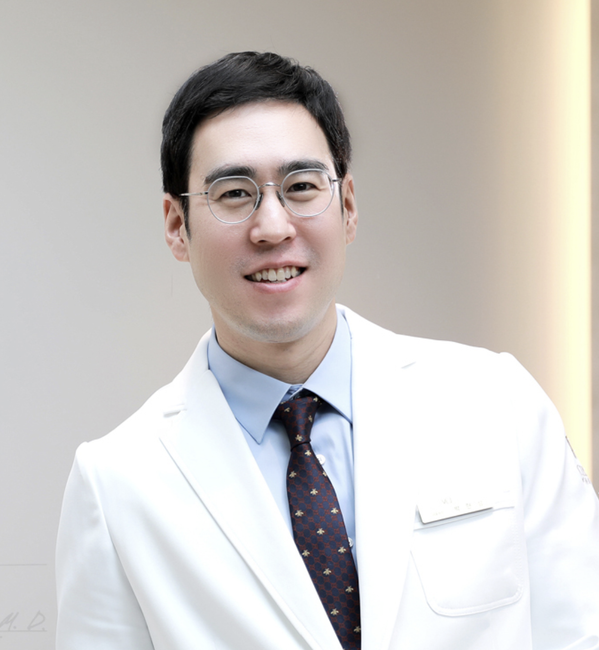
VEI Clinic is an IBS clinic in Seoul's Apgujeong district, Gangnam. Dr. HyunSung Park, a gastroenterology subspecialist, diagnoses irritable bowel syndrome using Rome IV criteria, rules out look-alikes with stool tests, celiac blood tests and a SIBO breath test, and guides treatment including a structured low-FODMAP diet, all in English.
Why see an IBS clinic in Seoul with a GI subspecialist
Irritable bowel syndrome causes recurring abdominal pain together with changes in bowel habits: diarrhea, constipation, or both. It is a disorder of gut-brain interaction, meaning the gut is structurally normal but behaves oversensitively. Many patients at our IBS clinic in Seoul have been told "it's just stress" without a real explanation or plan.
Dr. HyunSung Park is a board-certified internist with gastroenterology subspecialty training and membership in the American Gastroenterological Association. That background helps in two ways: recognizing classic IBS confidently, and knowing which symptoms point elsewhere and need a different workup.
How IBS is diagnosed: Rome IV criteria
IBS is diagnosed from your symptom pattern, supported by a limited set of tests. Under Rome IV, you have recurrent abdominal pain on average at least one day a week over the last three months, linked to two or more of the following:
- Pain related to having a bowel movement
- A change in how often you go
- A change in stool form or appearance
- Symptoms that started at least six months before diagnosis
Ruling out look-alikes
Testing is targeted, not endless. Depending on your symptoms, Dr. Park may order a blood count and inflammation markers, fecal calprotectin to screen for inflammatory bowel disease, stool tests for infection or parasites, and thyroid tests. Celiac disease is uncommon in Korea but more relevant for people of European or Middle Eastern ancestry; the antibody blood test only works if you are still eating gluten.
A SIBO breath test can help when bloating and diarrhea dominate, especially after gastroenteritis or abdominal surgery. Lactose intolerance is very common in East Asian adults and is worth considering too. If colonoscopy is needed, for example because of age or warning signs, we can refer you to a hospital, since endoscopy is not performed at VEI Clinic.
Food sensitivity panels are available, but they cannot diagnose IBS and their results should be interpreted cautiously; a structured elimination diet is usually more informative.
Treatment: diet, gut-brain and medication
The low-FODMAP diet has the strongest evidence among dietary approaches. FODMAPs are fermentable carbohydrates found in foods like garlic, onion, wheat, certain fruits, beans and milk. The diet works in three phases: a short elimination of about two to six weeks, gradual reintroduction to find your personal triggers, and a long-term personalized diet. It is not meant to be followed strictly forever. Korean cooking leans heavily on garlic and onion, so we give practical swaps.
Other options, chosen by subtype, include soluble fiber such as psyllium for constipation, peppermint oil for cramping, antispasmodics, antidiarrheal or laxative medicines, low-dose neuromodulators that calm gut nerves, and rifaximin when SIBO is confirmed. Gut-directed psychological therapies have good evidence and can be a strong addition.
Who this approach suits, and who needs more
A Rome IV-based plan suits adults with long-standing, recurring symptoms, normal basic tests and no warning signs. It also works well for people who were diagnosed abroad and want continuity in English while living in Korea, or travelers whose symptoms flared after a bout of gastroenteritis.
It is not the right starting point if you have significant weight loss, bleeding, anemia, persistent nocturnal diarrhea or new symptoms later in life; those require investigation first, often including colonoscopy by hospital referral. People with a history of eating disorders should avoid restrictive diets such as strict low-FODMAP without close supervision, and we will choose gentler strategies instead.
Red flags that are not typical IBS
Book a prompt evaluation rather than assuming IBS if you have blood in the stool, unintended weight loss, symptoms that wake you at night, new symptoms after age 45, iron-deficiency anemia, fever, or a family history of colon cancer, inflammatory bowel disease or celiac disease.
Go to an ER or call 119 in Korea for severe, constant abdominal pain, a rigid or swollen abdomen, repeated vomiting with inability to pass gas or stool, heavy rectal bleeding, black tarry stools, or fainting.
How it works
Symptom review
Dr. Park maps your pattern against Rome IV and screens for warning signs.
Targeted tests
Only the labs, stool or breath tests your symptoms justify.
Subtype-specific plan
Diet guidance, medication and gut-brain strategies matched to IBS-C, IBS-D or mixed.
Review and refine
Follow-up visits adjust the plan as triggers and responses become clear.
Dr. HyunSung Park
Medical Director · Internal Medicine Specialist · Consults in English & Korean
- Board-certified in internal medicine
- Gastroenterology subspecialist
- ECFMG certified (U.S.)
- Graduate, State University of New York
- Former Clinical Professor, Dongguk Univ. Ilsan Hospital
- Treating patients in Korea since 2010
Related care
Common questions
What happens at an IBS clinic in Seoul on the first visit?
Expect a detailed history covering bowel habits, diet, stress, sleep and medications, plus a physical exam. Dr. Park decides which tests, if any, are needed and gives you initial steps to start right away.
Is IBS the same as SIBO?
No. SIBO is an excess of bacteria in the small intestine and can cause similar bloating and diarrhea. Some people diagnosed with IBS have SIBO, which is why a breath test can be useful in selected cases.
Do I need a colonoscopy for IBS?
Not always. It is recommended if you have warning signs, are due for colon cancer screening by age, or have persistent diarrhea needing further evaluation. We can refer you to a hospital for the procedure.
How long should I stay on low-FODMAP?
The strict elimination phase is usually two to six weeks. After that, foods are reintroduced one group at a time. Staying on full elimination long-term can reduce helpful gut bacteria and make eating unnecessarily hard.
Can stress cause IBS?
Stress does not cause IBS on its own, but the gut and brain are closely connected and stress often worsens symptoms. Addressing sleep, stress and anxiety is a legitimate part of treatment, not a dismissal.
Will IBS go away?
IBS tends to fluctuate over years. Many people reach long periods of good control with the right combination of diet, medication and gut-brain strategies, even if occasional flares still happen.
This page is general information reviewed by a physician and is not a substitute for a personal consultation. Treatment suitability, benefits and risks differ for each person and are discussed with you before any care. In an emergency in Korea, call 119.
Questions about ibs clinic seoul? Ask us.
Send a message and we'll reply on WhatsApp in English, usually the same day. WhatsApp: +82-10-5700-7597