
Abdominal ultrasound in Seoul, explained clearly
Ultrasound is quick, painless and uses no radiation. Done for the right reason and read in context, it answers many common questions about the upper abdomen.
3F, 162 Apgujeong-ro, Gangnam-gu
Apgujeong Station (Line 3), Exit 5 · 1 min walk
VEI Clinic in Apgujeong, Gangnam arranges abdominal ultrasound in Seoul for people with upper abdominal pain, abnormal liver tests, suspected gallstones or fatty liver. Dr. HyunSung Park, an internal medicine specialist with gastroenterology training, examines you first, tells you how to prepare (usually fasting for six to eight hours) and explains the results in English.
What an abdominal ultrasound in Seoul involves
An abdominal ultrasound uses high-frequency sound waves to create live images of the organs in your upper abdomen. You lie on an exam table, a cool gel is applied to your skin, and a handheld probe is moved across your abdomen. You may be asked to take a deep breath and hold it, or to roll onto your side. The scan itself usually takes around 15 to 30 minutes and does not hurt, though pressing over a tender gallbladder can be uncomfortable.
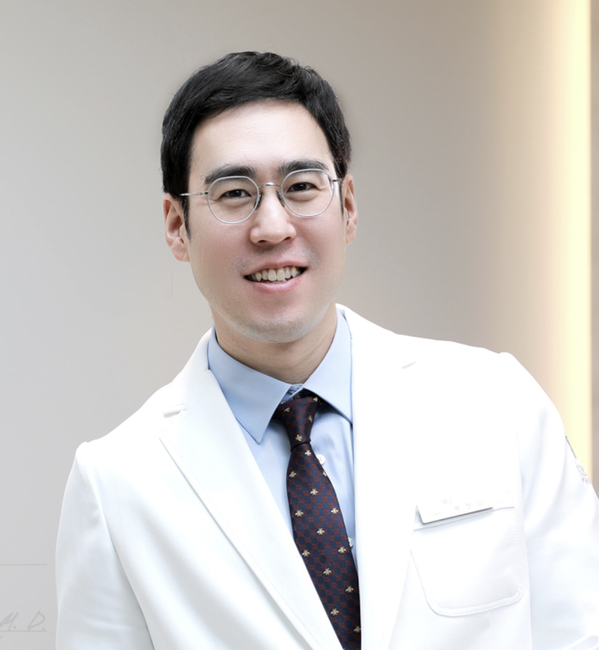
At VEI Clinic, an abdominal ultrasound in Seoul is part of a medical assessment, not a stand-alone scan. Dr. HyunSung Park, a board-certified internal medicine specialist with gastroenterology subspecialty training, first takes your history and examines you, often alongside blood tests such as liver function. That way the scan answers a specific question, and the results are interpreted together with everything else.
What ultrasound can show, and what it cannot
Ultrasound is very good at some things and limited at others. Knowing the difference helps you decide whether it is the right test.
- Liver: size, fatty change (steatosis), cysts and many focal lesions
- Gallbladder: gallstones, sludge, wall thickening and signs of inflammation
- Bile ducts: whether they are widened, which can suggest a blockage
- Kidneys: stones, cysts and swelling from a blocked drainage system
- Spleen size and the abdominal aorta, including screening for an aneurysm when appropriate
- Bladder: volume and how well it empties
Limits you should know about
Ultrasound cannot see well through gas or bone, so the pancreas and bowel are often only partly visible, especially after eating or in people with a lot of abdominal fat. It does not examine the inside lining of the stomach or bowel; that requires endoscopy or colonoscopy, which are not performed at VEI Clinic and are arranged at a hospital when needed. Ultrasound can detect fatty liver, but it is less reliable at grading how much scarring (fibrosis) is present, so blood-based scores or specialized scans may be added.
A normal ultrasound does not rule out every cause of pain. If symptoms continue or something needs a closer look, Dr. Park may recommend a CT or MRI scan, or a referral to a specialist.
How to prepare
Good preparation gives clearer pictures, particularly of the gallbladder, which contracts after meals.
- Do not eat for six to eight hours before the scan; plain water is usually allowed
- Avoid fizzy drinks, chewing gum and smoking beforehand, as they increase gas
- Take your regular medicines with a little water unless told otherwise; ask us if you have diabetes and take glucose-lowering medicine
- Wear a loose two-piece outfit so your upper abdomen is easy to reach
- Bring earlier scan reports or images if you have them, so changes can be compared
Common findings and what happens next
Many results are reassuring or incidental. Simple liver or kidney cysts are common and usually need no treatment. Gallstones without symptoms are often simply watched, while gallstones that cause pain attacks may lead to a surgical referral. Fatty liver is a signal to look at weight, blood sugar, cholesterol and alcohol, and to check for scarring. A widened bile duct, an unclear liver lesion or a swollen kidney usually means further imaging or a specialist opinion.
Whatever the result, Dr. Park explains what it means for you, whether any follow-up scan is needed and when, and what you can do in the meantime.
Who it suits, and when to go to an emergency room
Abdominal ultrasound suits people with upper right or upper central abdominal pain, especially after meals, abnormal liver blood tests, suspected fatty liver or gallstones, follow-up of known liver or kidney cysts, or a health checkup that flagged something to recheck. If fatty liver is the main concern, our fatty liver clinic covers the longer-term plan.
It is not a substitute for emergency care. Call 119 or go to an emergency room for severe or rapidly worsening abdominal pain, a rigid abdomen, vomiting blood, black stools, high fever with yellowing of the skin or eyes, or pain with fainting. Suspected appendicitis or bowel blockage usually needs hospital CT and surgical review rather than a clinic scan.
How it works
Consultation
Dr. Park reviews your symptoms and earlier results, examines you and decides whether ultrasound is the right test.
Prepare
You receive fasting and timing instructions in English, plus any blood tests that add to the picture.
Scan
The ultrasound is arranged, often on the same or the next day depending on availability.
Results and plan
Dr. Park explains the findings in plain English and sets out treatment, monitoring or referral.
Dr. HyunSung Park
Medical Director · Internal Medicine Specialist · Consults in English & Korean
- Board-certified in internal medicine
- Gastroenterology subspecialist
- ECFMG certified (U.S.)
- Graduate, State University of New York
- Former Clinical Professor, Dongguk Univ. Ilsan Hospital
- Treating patients in Korea since 2010
Related care
Common questions
How long do I need to fast before an abdominal ultrasound in Seoul?
Usually six to eight hours without food. Plain water is normally fine and helps you stay comfortable. If your scan is in the morning, skipping breakfast is the simplest approach; we confirm instructions when we book you.
Does abdominal ultrasound use radiation?
No. Ultrasound uses sound waves, not X-rays, so there is no radiation. That makes it a good first imaging test, including for repeat monitoring.
Can an abdominal ultrasound find stomach problems or cancer?
Ultrasound does not show the inside lining of the stomach or bowel, so it cannot exclude gastritis, ulcers or bowel cancer. It can show some masses in solid organs like the liver or kidneys. For the stomach and bowel, endoscopy or colonoscopy at a hospital is needed.
Will the ultrasound show fatty liver?
Yes, moderate or severe fatty liver is usually visible. Ultrasound is less precise for mild fat or for scarring, so Dr. Park may combine it with blood tests and risk scores to judge how significant it is.
How soon will I get my results?
Timing depends on scheduling and reporting, but Dr. Park reviews the result with you and explains what it means for your symptoms. You receive a written English summary that you can share with your own doctor or insurer.
Is an ultrasound covered by insurance?
Coverage depends on your insurer and, for those enrolled, whether Korean national health insurance criteria apply. We tell you the cost before the scan and provide itemized English receipts.
This page is general information reviewed by a physician and is not a substitute for a personal consultation. Treatment suitability, benefits and risks differ for each person and are discussed with you before any care. In an emergency in Korea, call 119.
Questions about abdominal ultrasound seoul? Ask us.
Send a message and we'll reply on WhatsApp in English, usually the same day. WhatsApp: +82-10-5700-7597