
Bloating and gas doctor in Seoul: find out why
Everyone gets gassy sometimes. When bloating shapes your day, your clothes or your plans, it is worth a proper look.
3F, 162 Apgujeong-ro, Gangnam-gu
Apgujeong Station (Line 3), Exit 5 · 1 min walk
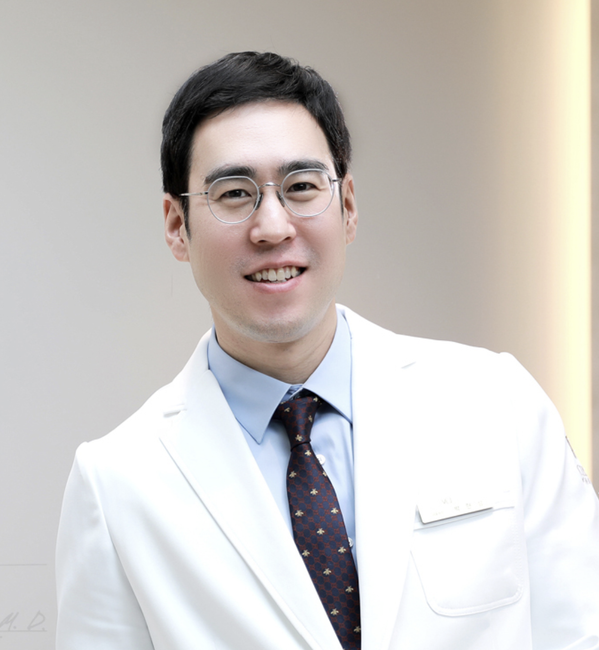
If you need a bloating and gas doctor in Seoul, VEI Clinic in Apgujeong, Gangnam, offers English consultations with Dr. HyunSung Park, a gastroenterology subspecialist. He sorts out common causes such as swallowed air, food intolerance, constipation, SIBO and IBS, uses breath tests, labs or abdominal ultrasound when needed, and flags anything that needs urgent care.
When to see a bloating and gas doctor in Seoul
Passing gas 10 to 20 times a day is normal, and some belly swelling by evening is common. It is time to see a bloating and gas doctor in Seoul when symptoms are frequent, painful, embarrassing, getting worse, or arrived with a move to Korea or a change in diet.
At VEI Clinic, Dr. HyunSung Park starts by separating three things people often lump together: the feeling of fullness or pressure (bloating), visible swelling of the belly (distension), and excess burping or flatulence. Each points toward different causes.
Common causes we look for
- Swallowed air: eating fast, carbonated drinks, chewing gum, talking while eating; usually causes burping.
- Fermentable foods: beans, onion, garlic, wheat, some fruits and sugar alcohols in "sugar-free" products.
- Lactose intolerance: very common in adults of East Asian descent, often noticed after lattes or milk.
- Constipation: trapped stool slows gas transit and is an underrated cause of bloating.
- SIBO: too many bacteria in the small intestine, often with diarrhea, after gastroenteritis or abdominal surgery.
- IBS and functional dyspepsia: sensitive gut nerves that make normal amounts of gas feel uncomfortable.
- Less common: celiac disease, H. pylori, slow stomach emptying, medication side effects and, rarely, ovarian or other abdominal conditions.
Tests that actually help
Most bloating does not need a big panel of tests. Based on your story, Dr. Park may suggest a SIBO breath test, which measures hydrogen and methane after you drink a sugar solution; a lactose or fructose challenge; blood tests for anemia, inflammation, thyroid and celiac antibodies; stool tests if infection or parasites are possible; an H. pylori test for upper-abdominal symptoms; or an abdominal ultrasound to check organs and look for fluid.
Food sensitivity and gut microbiome tests are available, but their clinical value for bloating is still limited and debated. If you choose them, we explain what they can and cannot tell you. Persistent upper-abdominal symptoms with warning signs may need endoscopy, for which we can refer you to a hospital.
What helps, and who needs a different approach
Simple changes often work: eat more slowly, cut fizzy drinks and gum, treat constipation, and reduce the specific trigger foods your history suggests. A short, supervised low-FODMAP trial can identify triggers without permanently restricting your diet. Peppermint oil, simethicone and walking after meals help some people.
When a cause is confirmed, treatment is targeted: lactase or dairy swaps for lactose intolerance, antibiotics such as rifaximin for proven SIBO, and gut-nerve calming medications for IBS. People with new bloating after age 50, weight loss, or a persistently swollen abdomen need investigation before dietary experiments.
Keeping a two-week symptom diary
Before your visit, a simple diary often reveals more than a test. Note what you ate and drank, when bloating started, how your belly looked by evening, your bowel movements and any stress or poor sleep. A photo of your abdomen in the morning and evening can show whether visible distension is really happening.
Patterns we look for include bloating within an hour of dairy (lactose), after apples, honey or sweet drinks (fructose), after sugar-free gum or protein bars (sugar alcohols), mainly on days without a bowel movement (constipation), or steadily through the day regardless of food (often gut sensitivity). Bring the diary to your appointment; it helps Dr. Park decide whether a breath test, blood test or diet trial is the best next step.
When to worry: red flags
See a doctor soon if bloating is new and persistent, especially with unintended weight loss, early fullness after small meals, blood in the stool, anemia, ongoing diarrhea, or a swollen belly that does not go down overnight. In women, new persistent bloating should prompt a check for gynecologic causes, including the ovaries.
Go to an ER or call 119 in Korea if you have severe abdominal pain, a hard and tender belly, repeated vomiting, inability to pass gas or stool, vomiting blood or black stools, high fever with abdominal pain, or fainting. These can signal a bowel obstruction or other emergency.
How it works
Describe the pattern
Timing, foods, bowel habits and associated symptoms guide the workup.
Focused exam and tests
Breath test, labs or ultrasound only if they will change the plan.
Try a targeted fix
Diet, bowel or medication changes aimed at the likely cause.
Check in
A follow-up confirms improvement or moves to the next step.
Dr. HyunSung Park
Medical Director · Internal Medicine Specialist · Consults in English & Korean
- Board-certified in internal medicine
- Gastroenterology subspecialist
- ECFMG certified (U.S.)
- Graduate, State University of New York
- Former Clinical Professor, Dongguk Univ. Ilsan Hospital
- Treating patients in Korea since 2010
Related care
Common questions
How do I prepare for a SIBO breath test?
Typically you avoid antibiotics for about four weeks, avoid laxatives and probiotics for a period beforehand, eat a simple low-fermentation diet the day before and fast overnight. We give you exact written instructions when you book.
Why am I more bloated since moving to Korea?
Common reasons include more rice, noodles, kimchi, garlic and fermented foods, new dairy habits, changed sleep and stress, less walking or a bout of traveler's diarrhea that left the gut sensitive. Most of these are fixable once identified.
Can a bloating and gas doctor in Seoul see me without a referral?
Yes. You can book directly at VEI Clinic without a referral, and consultations are in English. Bring a short list of your symptoms, diet and medications if you can.
Is kimchi good or bad for bloating?
Fermented foods may support gut bacteria, but kimchi is also rich in garlic, onion and fiber, which can increase gas in sensitive people. If it triggers symptoms, smaller portions usually work better than cutting it out entirely.
Do probiotics help bloating?
Evidence is mixed and depends on the strain and the cause. Some people with IBS notice modest benefit; others feel worse. A four-week trial of one product is reasonable, but stop if there is no improvement.
Could bloating be a sign of cancer?
Rarely. Most bloating is functional or diet-related. Persistent new bloating with weight loss, bleeding, anemia or early fullness, especially after age 50, should be investigated promptly.
This page is general information reviewed by a physician and is not a substitute for a personal consultation. Treatment suitability, benefits and risks differ for each person and are discussed with you before any care. In an emergency in Korea, call 119.
Questions about bloating and gas doctor seoul? Ask us.
Send a message and we'll reply on WhatsApp in English, usually the same day. WhatsApp: +82-10-5700-7597